Health in Morocco
Health in Morocco is an important consideration when planning a trip, especially if you are visiting the country for the first time. Morocco is generally a comfortable destination for travelers, but understanding basic Morocco travel health information can help you prepare for different conditions during your trip. From the busy streets of Marrakech and Casablanca to the Atlas Mountains and the Sahara Desert, travelers should know how to access medical care, find pharmacies, stay safe with food and water, and protect themselves from the sun and heat.
Before traveling, it is also useful to check the latest health advice and vaccinations for Morocco, bring enough of any regular medication you need, and consider travel insurance with suitable medical coverage. Most visitors do not experience serious health problems, but preparing for common issues such as stomach problems, dehydration, sun exposure, insect bites, and minor injuries can make your trip more comfortable.
Healthcare and Health in Morocco
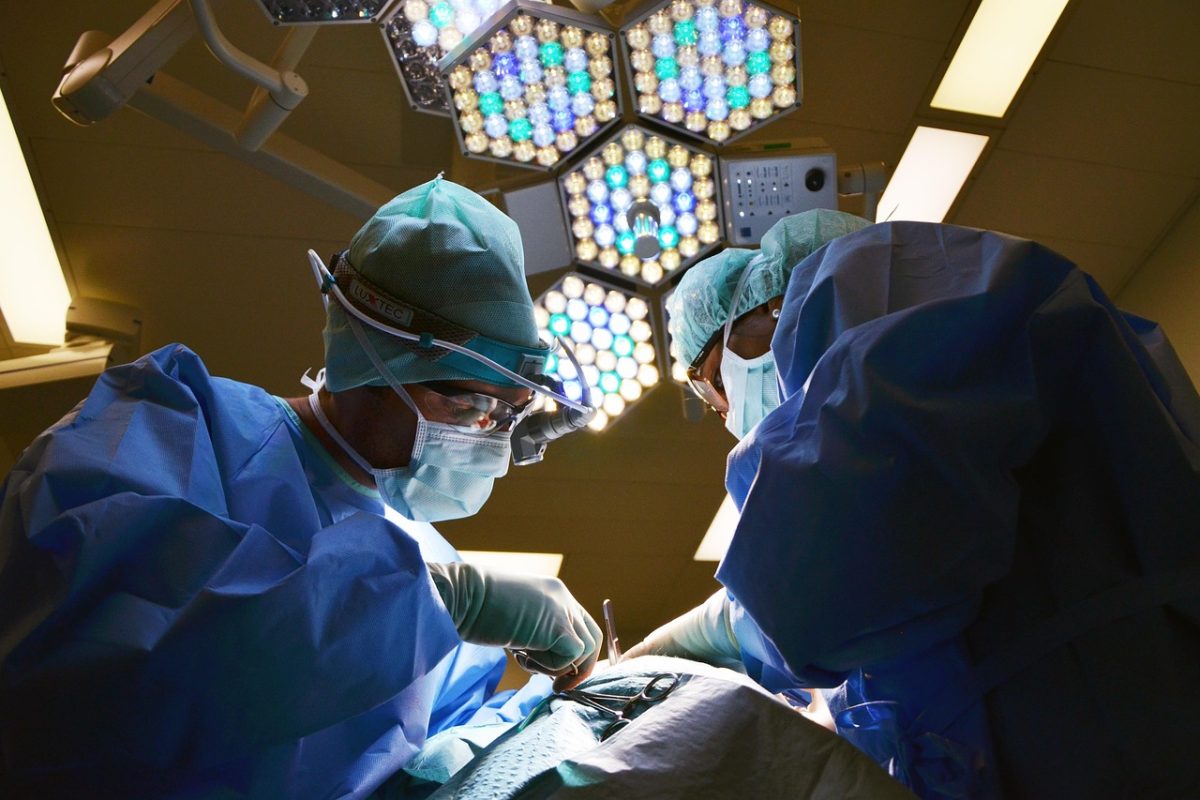
The healthcare system in Morocco includes public hospitals, private hospitals, medical clinics, health centers, and pharmacies. Medical services are generally easier to access in larger cities such as Marrakech, Casablanca, Rabat, Fes, and Tangier, where travelers can find private facilities and medical professionals who are accustomed to treating international visitors. In smaller towns and remote areas, healthcare services can be more limited, especially when specialized treatment is needed.
Private healthcare in Morocco is often the preferred option for international travelers because private hospitals and clinics generally offer modern facilities and a wider range of services. Some medical professionals in major cities speak French or English, which can make communication easier for foreign visitors. Public hospitals are available throughout Morocco, although the quality of facilities and medical services may differ from one area to another.
If your Morocco itinerary includes remote desert areas, mountain villages, or rural regions, it is important to plan ahead for medical needs. Hospitals and specialized clinics may be farther away, so travelers should carry essential medication, keep their travel insurance information available, and know how to get assistance if they become sick or injured.
Private and Public Health Care in Morocco
Private and public healthcare facilities both play an important role in Morocco. Private hospitals and clinics in major cities are commonly used by international visitors because they can provide modern equipment, a more comfortable environment, and services designed for a wide range of medical needs. Public hospitals provide medical care throughout the country, but the quality and availability of facilities can differ between major cities and smaller communities.
For travelers, the best option can depend on the type of medical problem and where they are located. Someone staying in Marrakech or Casablanca will have more healthcare choices than someone visiting a remote area of the Atlas Mountains or traveling through the Sahara. This is why it is useful to understand your route before traveling and have appropriate travel insurance for Morocco in case medical treatment becomes necessary.
Hospitals and Medical Care in Morocco
Hospitals and medical clinics are available in Morocco major cities and tourist destinations. Casablanca and Rabat have some of the country’s largest medical facilities, while Marrakech, Fes, Tangier, and other popular destinations also have private clinics and hospitals. If you need medical assistance during your trip, your hotel, riad, local guide, or tour operator may be able to help you find a suitable facility.
Travelers should seek professional medical care for serious or persistent symptoms rather than relying only on self-treatment. If you are planning to spend several days in a remote area, ask about the nearest medical facility before you leave the city. This can be particularly useful for travelers taking desert tours, mountain treks, or longer journeys away from Morocco main urban centers.
Pharmacies and Medicines for Health in Morocco
Pharmacies in Morocco are common in cities and many towns, and pharmacists can often help with minor health concerns such as headaches, allergies, mild digestive problems, and other everyday issues. Many common over-the-counter medicines are available, although the products and brands may be different from those travelers are familiar with at home. Pharmacies may be less common in remote villages, mountain areas, and desert regions, so it is better to prepare before traveling away from major towns.
If you take prescription medication, bring enough for your entire trip and keep it in its original packaging. Carrying a copy of your prescription or a letter from your doctor can also be helpful. Before departure, check the current rules for bringing prescription or controlled medicines into Morocco, as some medications may have specific requirements.
Travel Insurance and Health in Morocco
Travel insurance is an important part of preparing for a trip to Morocco. Medical treatment, particularly at private facilities, can be expensive, and a suitable insurance policy may help cover eligible medical costs. Depending on the policy, travel insurance may also include emergency transportation, medical evacuation, trip interruption, lost luggage, or other unexpected travel problems.
Before purchasing a policy, read the terms carefully and check what is actually covered. This is especially important if you plan to hike in the Atlas Mountains, take part in outdoor activities, or travel to remote areas. Keep your insurance documents and emergency contact information accessible throughout your trip so you can quickly contact your provider if you need assistance.
Food and Water Safety in Morocco
Food and water safety in Morocco is an important part of staying healthy while traveling. A change in diet, unfamiliar ingredients, or food and water that have not been handled properly can sometimes cause digestive problems for visitors. Travelers can reduce the risk by choosing freshly prepared meals, eating food that is thoroughly cooked, washing fruit before eating it, and practicing good hand hygiene.
Water quality can vary depending on the location, so if you are unsure about the local supply, choose bottled or appropriately treated water. Be cautious with ice when you do not know what water was used to make it, particularly when traveling outside major cities. If you develop diarrhea or vomiting, drink safe fluids to avoid dehydration and seek medical advice if symptoms are severe, persistent, or accompanied by other concerning symptoms.
Common Stomach Problems When Traveling in Morocco
Changes in diet and eating habits can sometimes cause stomach problems when traveling. Traveler’s diarrhea is one of the more common health issues visitors may experience, but it does not mean you need to avoid Moroccan cuisine. You can enjoy local dishes while taking reasonable precautions about food preparation, hygiene, and water.
If you have a sensitive stomach, introduce unfamiliar foods gradually and avoid food that appears poorly stored or handled. Drink enough safe fluids and pay attention to signs of dehydration. If diarrhea is severe or persistent, or if you develop a high fever, blood in the stool, or other serious symptoms, seek medical care rather than relying only on over-the-counter medication.
Sun Protection and Heat in Morocco
Morocco can become very hot, particularly during summer and in southern parts of the country. The Sahara Desert can experience high temperatures, and spending long periods outdoors without enough water or shade can increase the risk of dehydration and heat-related illness. Travelers should drink water regularly, take breaks, and avoid unnecessary exposure to direct sunlight during the hottest part of the day.
Lightweight clothing, sunscreen, sunglasses, and a hat can provide useful protection when spending time outdoors. This is particularly important during desert excursions, sightseeing, and long drives with stops in exposed areas. Sun protection is also important in the Atlas Mountains, where the sun can feel strong even when temperatures are cooler.
Altitude Sickness in Morocco
Travelers visiting higher parts of the Atlas Mountains should be aware of altitude sickness. The risk depends on the elevation, how quickly you ascend, and individual factors. Possible symptoms include headache, dizziness, tiredness, nausea, and shortness of breath.
If you are hiking or staying at higher elevations, allow your body time to adjust and avoid ascending further if you develop symptoms. Rest and hydration can help, but serious or worsening symptoms require medical attention and descent to a lower elevation. Travelers planning demanding mountain hikes should discuss their plans with a healthcare professional before departure.
Insects, Mosquitoes, and Animal Bites in Morocco
Depending on where you travel in Morocco, you may encounter mosquitoes, sand flies, bees, scorpions, and other insects or animals. The risk is generally more relevant when spending time outdoors in rural, mountain, desert, or other less-developed areas. Using insect repellent, wearing suitable clothing, and avoiding unnecessary contact with animals are simple precautions that can reduce the chance of bites and stings.
Travelers should also avoid touching unfamiliar dogs, cats, or other animals. If you are bitten by an animal or receive a potentially serious sting, wash the affected area and seek medical advice promptly, particularly if the animal is unfamiliar or the bite is deep.
Vaccinations for Morocco Travel
Before your Morocco trip, check the latest vaccination recommendations for Morocco with a doctor or qualified travel health professional. Routine vaccinations should be up to date, and additional vaccines may be recommended depending on your health, age, itinerary, activities, and length of stay. Travel health recommendations can change, so current advice is more useful than information from an older trip.
Depending on individual circumstances, travelers may be advised to consider vaccines such as hepatitis A, hepatitis B, typhoid, or rabies. Not every traveler needs all of these vaccines, and recommendations can vary depending on where you are going and what you plan to do. A traveler staying mainly in major cities may have different recommendations from someone spending extended periods in rural areas.
If you are traveling with children, have an existing medical condition, or plan to take part in outdoor activities, speak with a healthcare professional before departure. Allow enough time to receive any recommended vaccines and discuss other Morocco travel health precautions that may be appropriate for your itinerary.
Road Safety and Injury Prevention in Morocco
Road safety is another important part of staying healthy in Morocco. Traffic can be busy in major cities, while rural roads may have conditions that are unfamiliar to international visitors. Motorcycles, pedestrians, bicycles, animals, and vehicles can share the road, so travelers should remain alert when driving or crossing streets. If you rent a car, follow local traffic laws and take extra care on unfamiliar roads, especially after dark.
For visitors who do not want to drive themselves, hiring a professional driver can make longer Morocco tours easier and more comfortable. When walking in busy cities, use designated crossings when possible and pay attention to surrounding traffic.
Traditional Medicine and Health in Morocco
Traditional medicine has a long history in Morocco and remains part of the country’s culture. Herbal products, natural oils, and traditional remedies can be found in markets, shops, and other settings, and some visitors enjoy learning about these practices during their trip. Argan oil and various herbs are particularly well known in Moroccan culture.
However, travelers should remember that natural products can still cause side effects or interact with prescription medicines. Traditional remedies should not replace professional medical treatment for serious or persistent health problems. If you have a medical condition or take regular medication, speak with a healthcare professional before using unfamiliar herbal products.
Health Tips for Traveling to Morocco
A few simple health tips for traveling to Morocco can help you enjoy your trip more comfortably. Drink water from a reliable source, choose properly prepared food, wash your hands regularly, protect yourself from the sun, and stay hydrated in hot weather. Bring enough prescription medication for your trip and keep important medical information and travel insurance details easily accessible.
It is also important to prepare according to your itinerary. A city vacation, a Sahara Desert tour, and a hiking trip in the Atlas Mountains can involve very different conditions. If you are visiting remote areas, bring essential supplies and make sure you know how to access medical assistance if necessary.
Before departure, check current travel health advice and vaccination recommendations. Travelers with existing medical conditions or regular medications should also speak with their healthcare provider before traveling to Morocco.
Frequently Asked Questions About Health in Morocco
Is Morocco safe for travelers health?
Morocco is generally suitable for tourists, but visitors should take normal precautions concerning food and water, sun exposure, heat, road safety, and personal health. Travelers with specific medical needs should speak with a healthcare professional before their trip.
Do I need vaccinations to travel to Morocco?
Vaccination recommendations depend on your personal health, travel plans, and itinerary. Routine vaccinations should be up to date, while additional vaccines may be recommended for some travelers. Check current advice with a qualified travel health professional before departure.
Is the water safe to drink in Morocco?
Water quality can vary depending on the location. If you are unsure about the local water supply, bottled or appropriately treated water is a practical choice, particularly when traveling in rural or remote areas.
Are pharmacies easy to find in Morocco?
Pharmacies are common in cities and many towns, but they can be harder to find in remote areas. Travelers who take regular medication should bring enough for their trip and keep it in its original packaging.
Is healthcare available in Morocco?
Yes. Morocco has public and private hospitals, clinics, health centers, and pharmacies. Larger cities generally offer more medical options, while healthcare services can be more limited in remote mountain, desert, and rural areas.
Should I get travel insurance for Morocco?
Travel insurance is recommended because it can help cover eligible medical expenses and other unexpected travel problems. Check the policy carefully to understand medical coverage, exclusions, emergency transportation, and any activities that may require additional coverage.
Staying Healthy During Your Morocco Trip
Staying healthy in Morocco does not require complicated preparation, but taking a few sensible precautions can make your trip more comfortable. Pay attention to food and water safety, protect yourself from the sun and heat, stay hydrated, keep your routine vaccinations up to date, and bring any essential medication you need.
Morocco offers very different travel environments, from major cities and coastal destinations to high mountain villages and the Merzouga Desert. Preparing for the conditions of your specific itinerary is therefore important. With good planning, appropriate Morocco travel health precautions, and access to medical care when needed, travelers can enjoy their time in Morocco while taking care of their health throughout the journey.