Reasons to Travel to Morocco
There are countless reasons to travel to Morocco. From its four legendary imperial cities to the endless golden dunes of the Sahara Desert, few countries pack so much diversity into one trip. Snow-capped mountains, Atlantic beaches, centuries-old medinas, and a culture shaped by Berber, Arab, African, and European influences all sit within a few hours of one another. At Best Morocco Travel, we have spent 25 years guiding travelers through this remarkable country. Our private, family-run tours are led by licensed local guides, and we have seen firsthand why so many visitors fall in love with Morocco and return again and again. Whether you are drawn by the desert, the history, the food, or the warmth of Moroccan hospitality, this guide walks through the experiences and reasons to travel to Morocco that make it one of the most rewarding destinations in the world.
Why Travel to Morocco? Top Reasons Explained
Morocco sits at the crossroads of Africa, Europe, and the Arab world. That geography shows up in everything from its architecture to its cuisine. In the morning, you can explore a UNESCO-listed medina. By afternoon, you might be hiking through the High Atlas Mountains. As the sun sets, you could be watching it disappear behind the Sahara dunes. This kind of variety is rare. Combined with short flight times from Europe and the United States, plus a genuinely welcoming culture, it explains why Morocco continues to rank among the top travel destinations for first-time visitors and seasoned travelers alike. The sections below break down the specific experiences, cities, and landscapes behind the many reasons to travel to Morocco.
Historic Imperial Cities: A Top Reason to Travel to Morocco
Morocco is home to four imperial cities: Marrakech, Fes, Rabat, and Meknes. Each one once served as the capital of a ruling dynasty. Together, they hold centuries of history, grand royal palaces, and some of the best-preserved medinas in the world. Because of this, they make a natural starting point for any private Morocco tour.
Marrakech, the Red City
Marrakech is Morocco most visited city. It is known for its ochre-colored walls, the buzzing Jemaa el-Fnaa square, and landmarks like the Koutoubia Mosque, the Bahia Palace, and the Saadian Tombs. Its medina is a labyrinth of souks, riads, and hidden courtyards that reward slow, guided exploration. Marrakech also serves as the main gateway for many tours from Marrakech, including day trips into the surrounding mountains and desert.
Fes and Its Ancient Medina
Fes is widely considered Morocco cultural and spiritual heart. It is home to the University of Al Qarawiyyin, recognized as one of the oldest operating universities in the world. The city also holds the Chouara Tannery and the intricately carved Bou Inania Madrasa. Its medina is a UNESCO World Heritage Site and one of the largest car-free urban areas anywhere. As a result, it remains one of the most authentic places to experience Moroccan heritage up close, and it anchors many of our tours from Fes.
Rabat and Meknes, Morocco Quieter Imperial Gems
Rabat is Morocco capital, and it blends modern administration with historic sites like the Hassan Tower and the Kasbah of the Udayas. Meknes, meanwhile, offers grand gates, olive groves, and easy access to the Roman ruins of Volubilis. Both cities make excellent additions to a longer itinerary for travelers who want imperial history without the crowds.
The Sahara Desert: Morocco Most Unforgettable Travel Experience
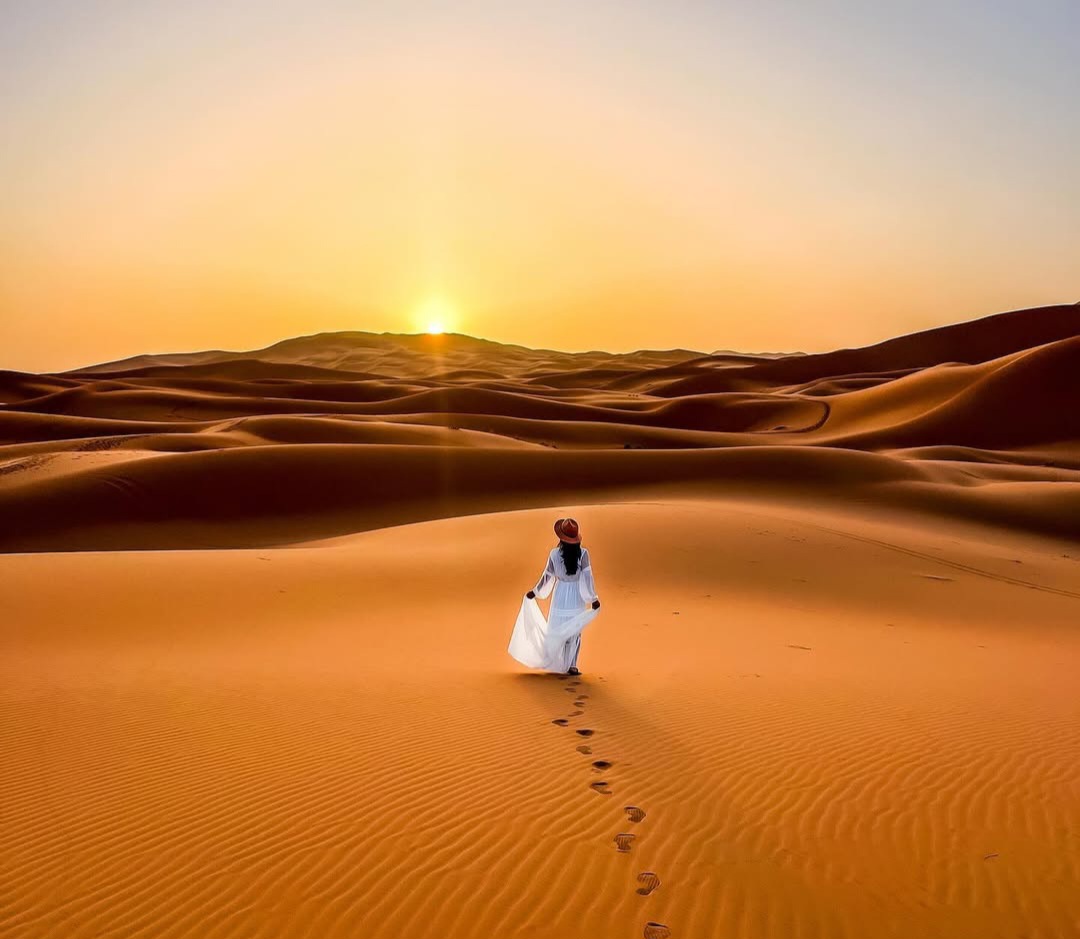
For most travelers, the Sahara Desert is the single biggest reason to visit Morocco. The dunes of Merzouga and Erg Chebbi rise more than 150 meters. They shift color from gold to deep orange as the sun sets, creating one of the most photographed landscapes on earth. A well-planned Morocco desert tour typically combines a camel trek at sunset, an overnight stay in a desert camp, and stargazing far from any city light pollution.
Best Sahara Desert Experiences
- Camel trekking: Ride across the dunes at sunset for one of Morocco most iconic experiences.
- Overnight desert camps: Sleep under the stars in a Berber-style camp, from simple to luxury.
- Sandboarding: Slide down the dunes for a quick adrenaline rush between longer excursions.
- 4×4 desert excursions: Cover more ground and reach remote dunes and oases in an off-road vehicle.
Stunning Landscapes: Another Great Reason to Explore Morocco
Between the mountains and the coastline, Morocco offers a range of landscapes that few countries can match within a single trip.
Trekking the Atlas and Rif Mountains
The High Atlas Mountains are home to Mount Toubkal, North Africa’s highest peak. They offer trekking routes through Berber villages like Imlil. Further north, the Rif Mountains shelter the blue-washed streets of Chefchaouen. This makes it a favorite stop for travelers who want quieter, scenic hiking away from the main cities.
Morocco Best Beach Destinations
Morocco Atlantic coastline includes several standout towns. Agadir is known for its long sandy beaches and lively promenade. Essaouira is a fortified coastal town popular with windsurfers and kitesurfers. Taghazout, meanwhile, is widely regarded as Morocco surfing capital. These coastal towns pair well with an inland itinerary for travelers who want both culture and relaxation in one trip.
Vibrant Souks and Medinas: A Sensory Reason to Visit Morocco
No list of reasons to travel to Morocco is complete without its souks. The markets of Marrakech and Fes are packed with hand-woven Berber rugs, leather goods, ceramics, and spices. Bargaining with shopkeepers is part of the experience, not an inconvenience. Exploring the souks with a knowledgeable local guide makes it far easier to understand what you are buying. It also helps you navigate the narrow medina alleyways and avoid overpaying.
World-Famous Moroccan Cuisine
Moroccan cuisine consistently ranks among the most flavorful in the world. It blends Berber, Arab, Andalusian, and French influences. Signature dishes worth trying include:
- Tagine: Meat and vegetables slow-cooked with warming spices in a traditional clay pot.
- Couscous: A Berber staple, traditionally served on Fridays with vegetables and meat.
- Pastilla: A sweet-and-savory pastry typically filled with chicken or pigeon, dusted with cinnamon and sugar.
- Harira: A hearty tomato-based soup, especially popular during Ramadan.
- Mint tea: Known locally as Moroccan whiskey, this sweet green tea is a symbol of hospitality served throughout the country.
Ancient Kasbahs and UNESCO World Heritage Sites
Morocco kasbahs and fortresses tell the story of centuries of trade, dynasties, and desert caravans. Ait Benhaddou, a UNESCO World Heritage Site near Ouarzazate, has appeared in major film and television productions. It remains one of the best-preserved examples of Moroccan earthen architecture. The Kasbah of Taourirt and the Kasbah Amridil in Skoura are also worth a stop for travelers heading toward the desert.
Authentic Culture and Hospitality
Morocco culture reflects centuries of Berber, Arab, African, and European influence. That mix is visible in its music, festivals, architecture, and everyday hospitality.
Stay in a Traditional Moroccan Riad
A riad is a traditional house built around an interior courtyard, and it is one of the most memorable places to stay in Morocco. Riads are decorated with mosaic tilework, carved cedar wood, and central fountains. They offer a peaceful retreat from the busy medinas outside their doors. In fact, many travelers consider a night in a well-chosen riad one of the highlights of their trip. For a higher-end stay, our luxury Morocco tours include hand-picked riads and boutique hotels throughout the itinerary.
Morocco Festivals and Celebrations
Morocco hosts a wide calendar of cultural festivals. Highlights include the Gnaoua World Music Festival in Essaouira, the Rose Festival in Kelaat M’Gouna, and the Moussem of Tan-Tan, a UNESCO-recognized gathering of Saharan tribes. Timing a visit around one of these events adds an extra layer of culture to an already rich trip.
Best Time to Travel to Morocco
Spring, from March to May, and fall, from September to November, are generally the best times to visit Morocco. Both seasons offer warm days, cooler evenings, and comfortable conditions for city sightseeing and desert excursions alike. Summer suits coastal towns like Essaouira and Agadir, but it can be intensely hot inland and in the Sahara. Winter, on the other hand, brings cooler temperatures and occasional snow to the Atlas Mountains, along with lower prices and fewer crowds elsewhere. Because Morocco climate varies so much by region, the right time to travel often depends on which parts of the country are on your itinerary. Our team can help plan around this when booking a private tour.
Is Morocco Safe to Travel To?
Morocco is one of the more stable and tourist-friendly countries in North Africa. Millions of travelers visit safely every year. That said, it is worth staying alert in crowded medinas, agreeing on prices before shopping or taking a taxi, and dressing modestly around religious sites. Traveling with a licensed local guide further reduces common hassles like overcharging or getting lost in the medina. This is standard on every Best Morocco Travel itinerary, and it gives first-time visitors extra confidence throughout the trip.
Practical Tips Before You Travel to Morocco
A little preparation goes a long way in Morocco. Here are a few essentials worth knowing before you go:
- Currency: The Moroccan dirham (MAD) is a closed currency, so it’s best exchanged inside the country rather than beforehand.
- Dress code: Lightweight, modest clothing works best, especially when visiting mosques, kasbahs, or smaller towns.
- Visas: US, UK, EU, and many other passport holders can enter Morocco visa-free for up to 90 days, though it’s worth confirming current requirements before booking flights.
- Connectivity: A local SIM card is inexpensive and widely available at the airport, making it easy to stay connected throughout your trip.
- Water: Bottled or filtered water is recommended, particularly outside major hotels and riads.
- Haggling: Bargaining is expected in the souks, a polite back-and-forth is part of the culture, not a confrontation.
Why Book a Private Morocco Tour With Local Experts
With 25 years of experience as a family-run Moroccan travel company, Best Morocco Travel designs private, fully customized itineraries led by licensed local guides. Each guide knows their city, kasbah, or desert route personally. Every tour is built around your pace, interests, and travel dates, not a fixed group schedule. As a result, you get more flexibility, more direct access to local culture, and a more personal experience from arrival to departure. Explore our full range of Morocco travel packages, or browse tours tailored for families traveling with children. Get in touch with our team to start planning a trip built entirely around you.
Frequently Asked Questions: Reasons to Travel to Morocco
What are the main reasons to travel to Morocco?
The main reasons to travel to Morocco include its four historic imperial cities, the Sahara Desert, the Atlas Mountains, Atlantic and Mediterranean beaches, souks, and a cuisine and culture shaped by Berber, Arab, and European influences.
Is Morocco safe for tourists?
Yes. Morocco is considered one of the safer countries in North Africa for tourists, especially when traveling with a licensed local guide and taking normal precautions in crowded areas.
What is the best time of year to visit Morocco?
Spring, from March to May, and fall, from September to November, offer the most comfortable weather for exploring both the cities and the Sahara Desert.
How many days do I need to see Morocco?
Most travelers spend between 8 and 15 days in Morocco. That’s usually enough time to comfortably cover the imperial cities, the Sahara Desert, and at least one mountain or coastal stop. Check our Morocco travel FAQ’s for detailed itinerary guidance.
Are Morocco tours private or group tours?
At Best Morocco Travel, every itinerary is a private tour. Each one is custom-built around your schedule and interests, rather than joining a fixed group.
Final Thoughts: Top Reasons to Travel to Morocco
Morocco offers a rare combination of history, desert, mountains, coastline, and culture that few destinations can match in a single trip. Every one of the reasons to travel to Morocco covered above is easier to experience with a guide who knows the country well. With 25 years of family-run experience creating private Morocco tours, Best Morocco Travel can help you build an itinerary around the experiences that matter most to you, from Marrakech souks to a night beneath the stars in the Sahara. Contact our team to start planning your journey.