
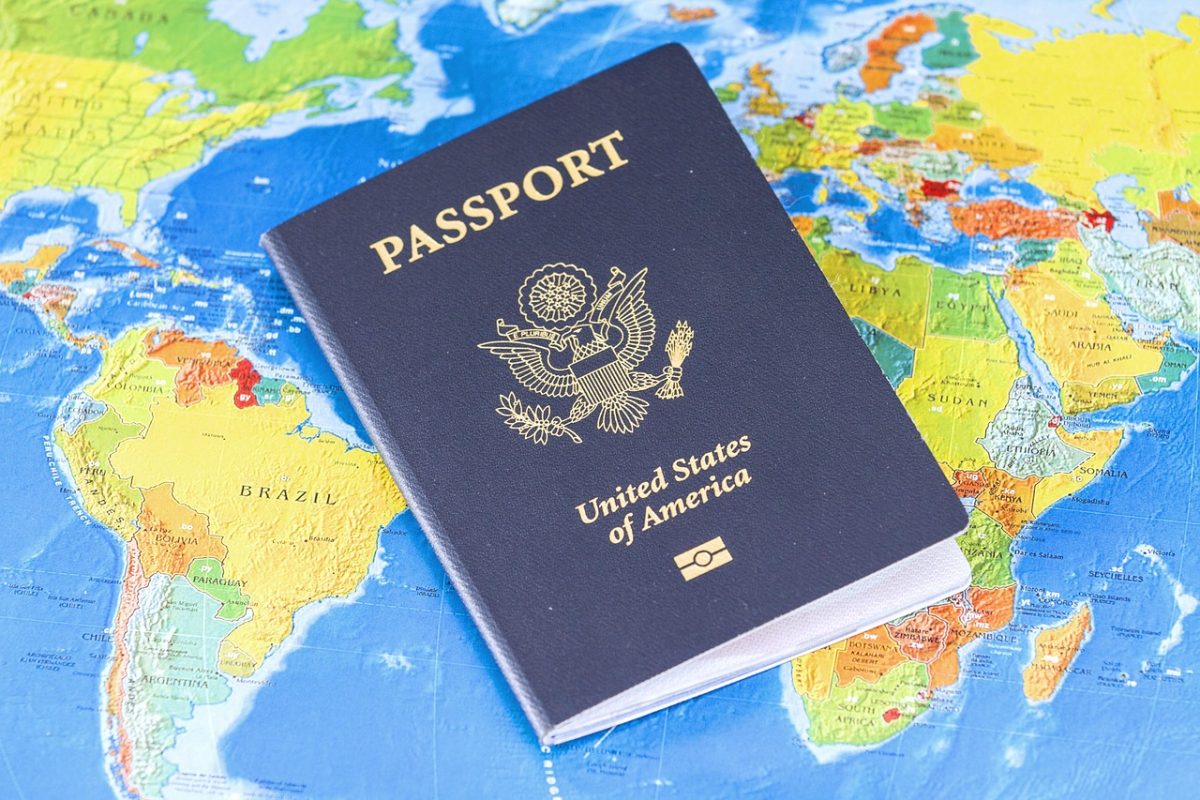
Do Americans Need a Visa for Morocco?
Do Americans need a visa for Morocco? For a standard tourist visit, the answer is no. U.S. citizens can enter Morocco visa-free for stays of up to 90 days, using nothing more than a valid U.S. passport at the border. This makes Morocco one of the most accessible long-haul destinations available to American travelers, but “visa-free” does not mean the entry process is entirely without requirements. There are still passport rules, timing limits, and a few practical details worth understanding before you book your flight.
This guide walks through everything Americans need to know before traveling to Marrakech, Fes, Casablanca, or Tangier: passport validity rules, how long you’re permitted to stay, what happens if you overstay, and what to expect from the moment you land. We’ve written it based on both official U.S. and Moroccan government guidance and our own experience welcoming American travelers to Morocco year-round.
Do Americans Need a Visa for Morocco? The Quick Answer
No. Morocco has maintained visa-free entry for U.S. passport holders for many years, and that policy remains fully in effect for 2027. If you’re visiting for tourism, a family visit, or short-term business, and your total stay is under 90 days, there is nothing to apply for in advance. You simply arrive with your valid U.S. passport and complete the standard immigration process at the airport, exactly as you would when visiting most of Western Europe.
It’s worth noting that this exemption applies specifically to short-term visits. It does not cover long-term work, university study, or residency in Morocco, each of which follows a separate process outlined further below. Understanding this distinction upfront will save you time if your trip involves anything beyond a standard vacation.
Morocco Entry Requirements for US Citizens
Even though a visa is not required, American travelers still need to meet a small set of entry conditions before boarding a flight to Morocco. These requirements are consistent, well established, and easy to prepare for with a little advance planning.
Passport Validity Rules for American Travelers
Your U.S. passport must have at least six months of validity remaining from your date of entry into Morocco. This is a firm requirement enforced both by airlines at check-in and by Moroccan immigration officers on arrival, so it’s important to check your expiration date well before booking flights rather than assuming your passport is still current.
You will also need at least one completely blank page in your passport reserved for the Moroccan entry stamp. If your passport is nearing the end of its validity or is close to full from previous travel, renewing it before your trip is far simpler than risking a denied boarding or an uncomfortable conversation at the border.
What Documents to Bring to Morocco
For a short tourist trip, we recommend traveling with the following:
- A valid U.S. passport with at least six months of remaining validity.
- At least one blank passport page for the entry stamp.
- Proof of onward or return travel, in case an immigration officer requests it.
- Your hotel, riad, or tour confirmation details.
None of these additional items are formally mandated by Moroccan law for a standard tourist visit, but immigration officers are entitled to ask for them, and travelers who have them ready move through the airport noticeably faster. It’s a small step that makes a real difference on arrival day.
Do Americans Need an Electronic Travel Authorization for Morocco?
Some nationalities are required to obtain an Electronic Travel Authorization (AEVM) before flying to Morocco, even when they’re otherwise visa-exempt. As of early 2027, this requirement applies to a small number of specific nationalities and special passport categories. It does not apply to standard U.S. tourist passport holders. American travelers can proceed with the visa-free process described in this guide without applying for any additional online authorization.
How Long Can Americans Stay in Morocco Without a Visa?
American travelers are permitted to stay in Morocco for up to 90 days within any 180-day period without applying for a visa. Whether you’re planning a focused week in Marrakech or a longer multi-city route through the Atlas Mountains and the Sahara Desert, this window comfortably covers the vast majority of vacation itineraries.
Your 90-day count begins on your actual entry date, not the date you booked your trip or purchased your flight. If you’re combining Morocco with travel through other countries in the region, keep close track of your Moroccan arrival stamp so you don’t inadvertently exceed your allowed stay while focused on a broader itinerary.
What Happens if You Overstay in Morocco?
Overstaying your 90 days carries more serious consequences than many travelers expect. According to the U.S. Department of State, Americans who remain in Morocco beyond their permitted stay without requesting an extension can face real complications when attempting to leave the country, including appearing before a local judge and paying a fine before departure is authorized.
If your plans change and you anticipate needing more time, contact Moroccan immigration authorities before your 90 days expire, not after. Extension requests and longer-stay procedures are handled locally through Moroccan immigration offices, and starting the process early is the surest way to avoid delays or penalties when it’s time to fly home.
Do Americans Need a Visa to Work, Study, or Live in Morocco?
The visa-free rule described above applies exclusively to tourism and short-term business visits. It does not extend to employment, university study, or long-term residency, each of which is governed by a separate set of Moroccan immigration procedures.
If you’re planning to work in Morocco, enroll in a Moroccan university, or relocate there for an extended period, you’ll need to apply for the appropriate permit through Moroccan authorities directly. This typically includes a residence permit application, known locally as a certificat d’immatriculation, which can take several weeks to process. If any of this applies to your situation, it’s worth starting the paperwork well before your intended travel date.
For a standard vacation, however, none of these additional procedures apply. They only become relevant if your purpose for traveling extends beyond tourism.
What to Expect at Moroccan Passport Control
Arrival in Morocco is a straightforward, predictable process. After landing, you’ll proceed directly to passport control before collecting your luggage. An immigration officer will review your passport, apply the entry stamp to a blank page, and direct you toward baggage claim and customs.
There is no visa counter to visit and no form to complete for a standard tourist entry, which makes the process considerably faster than what many travelers expect from an international arrival. As a simple precaution, we recommend keeping a photo or photocopy of your passport’s information page stored separately from the original, just in case it’s ever lost or misplaced during your trip.
Currency and Customs Rules for US Travelers Entering Morocco
One requirement that frequently catches travelers off guard involves currency declaration. If you’re carrying more than 100,000 Moroccan dirhams, or the equivalent of $10,000 USD in cash, you are required to declare it upon entry. Most vacationers won’t come close to this threshold, but it’s an important detail for anyone carrying significant funds for an extended trip or a business purpose.
On departure, be aware that exporting Moroccan dirhams out of the country is restricted. It’s generally best to exchange any leftover currency before heading to the airport, or to plan your final purchases so you’re not left holding cash you can’t take with you.
Is Morocco Safe for American Travelers? Current Travel Advisory
Morocco is a well-established and genuinely welcoming destination for American travelers, and millions of visitors from the United States and Europe travel there safely every year. That said, the U.S. Department of State currently advises travelers to exercise increased caution due to the general risk of terrorism in the region, a notice shared by many popular international destinations and not unique to Morocco.
In practical terms, this means staying alert in crowded public spaces, keeping copies of your important documents, and registering your trip with the State Department’s Smart Traveler Enrollment Program (STEP) before you depart. It is not a reason to cancel your travel plans. It is, however, a good reason to travel with a local team who knows the country well and can guide your trip responsibly from start to finish.
Planning a Stress-Free Trip to Morocco
Once your passport and paperwork are in order, the more enjoyable part of trip planning begins: deciding where to go, how to move between destinations, and who to trust with your time in the country. As a family-run, private tour operator based in Marrakech, we specialize in handling the logistics that trip up first-time visitors most often, including private drivers, carefully vetted riads, and itineraries built around your pace rather than a fixed group schedule.
Whether you’re considering a shorter Morocco tour package or a longer custom route from Marrakech into the desert, our team is glad to help you build an itinerary that fits your travel dates, interests, and comfort level. If you still have questions after reading this guide, our Morocco travel FAQ’s page covers additional practical details, from currency and tipping to what to pack for each season.
FAQ’s About Morocco Visas for Americans
Do Americans need a visa on arrival in Morocco?
No. U.S. citizens do not need a visa on arrival or in advance for stays under 90 days. You simply present your passport at passport control, the same as any other visa-exempt traveler arriving in the country.
Can Americans extend their stay past 90 days?
Yes, but the request must be submitted through Moroccan immigration authorities before your original 90 days expire. Attempting to stay past that window without an approved extension can lead to fines or delays when you try to leave the country.
Do dual citizens need a Morocco visa?
If you hold a second passport in addition to your U.S. passport, check the entry requirements associated with that specific nationality. Rules can differ depending on which passport you present at the border, and some dual nationals are subject to different requirements than standard U.S. tourists.
Is a return ticket required to enter Morocco?
A return ticket is not formally required by law for U.S. citizens, but airlines and immigration officers sometimes request proof of onward travel. Having a return or onward flight already booked helps you avoid any unnecessary questions at check-in or on arrival.
Does Morocco require any vaccinations for American travelers?
No routine vaccinations are currently required for entry from the United States. That said, it’s always worth checking the CDC’s latest travel health recommendations for Morocco a few weeks before departure, since guidance can be updated periodically.
Final Answer: Do Americans Need a Visa for Morocco?
So, do Americans need a visa for Morocco? For a standard tourist visit of 90 days or less, the answer is no. Travel with a valid U.S. passport that has at least six months of remaining validity and one blank page, and you’re fully prepared for immigration on arrival.
If your trip involves a longer stay, employment, or study, plan ahead and confirm the correct permit before you depart. And if you’d rather leave the planning and logistics to an experienced local team, reach out to us directly and we’ll help you build a private, carefully organized itinerary from the moment you land to the moment you fly home.
Entry requirements can change without extensive public notice. We recommend confirming the latest official guidance on the U.S. Department of State’s Morocco travel page close to your departure date.