Moroccan Caftan
The Moroccan caftan is one of the most recognizable and celebrated pieces of traditional dress in North Africa, worn for centuries at weddings, religious holidays, and family celebrations across the country. In December 2025, UNESCO officially inscribed the Moroccan caftan on its Representative List of the Intangible Cultural Heritage of Humanity, recognizing it not just as a garment but as a living tradition of craftsmanship passed down through generations of Moroccan artisans. For travelers planning a trip to Morocco, understanding the caftan’s history, styles, and where to find an authentic one is one of the most rewarding ways to connect with the country’s culture.
At Best Morocco Travel, we build private, guide-led itineraries that take visitors into the medinas of Marrakech, Fes, and Casablanca, where this tradition is still alive in the hands of working artisans. This guide covers everything you need to know about the Moroccan caftan: its origins, its regional styles, how it differs from a takchita, what it costs, and how to shop for one the right way.
What Is a Moroccan Caftan?
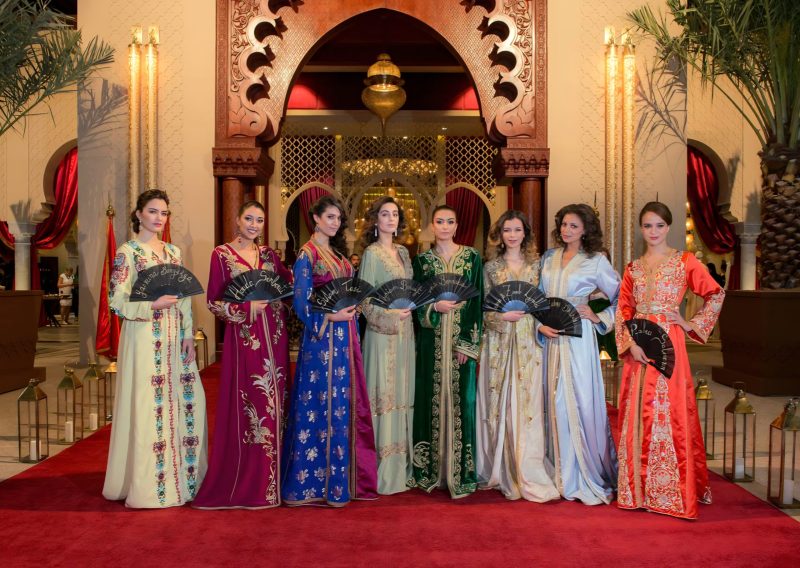
A Moroccan caftan is a long, flowing tunic, typically with a fitted bodice, wide sleeves, and a front opening secured with handmade silk buttons called aakad. It is worn by women (and, in earlier centuries, by men as well) for formal and ceremonial occasions. The English spelling varies between “caftan” and “kaftan,” and both refer to the same garment though in Morocco, the word specifically points to a tradition of tailoring, embroidery, and finishing that is distinct from kaftans found elsewhere in the Middle East or Central Asia.
What sets a Moroccan caftan apart from other regional versions of the garment is the density and precision of its handwork: hand-braided trim called sfifa, hand-knotted silk buttons running the length of the front closure, and embroidery techniques that differ from city to city. It’s this craftsmanship, more than the silhouette itself, that defines an authentic Moroccan caftan.
A History Rooted in Centuries of Craftsmanship
The Moroccan caftan’s history stretches back more than eight centuries, with roots tracing to the Almoravid and Almohad dynasties of the 11th and 12th centuries. Andalusian families who settled in cities like Fes, Tetouan, and Rabat after the Reconquista brought with them refined textile traditions, which Moroccan artisans absorbed and reshaped into something distinctly their own. By the Marinid and Saadian periods, the caftan had become a marker of status, worn by royal households and the wealthy elite during official ceremonies.
Over time, as tailoring workshops spread across Morocco imperial cities, the caftan moved beyond the royal court and became woven into everyday Moroccan life. Today it remains central to weddings, Eid celebrations, baptisms, and family gatherings, worn by women of every generation and background.
UNESCO Recognition: A Milestone for Moroccan Heritage
On December 10, 2025, UNESCO’s Intergovernmental Committee for the Safeguarding of Intangible Cultural Heritage, meeting in New Delhi, formally inscribed “Moroccan Caftan: Art, Traditions and Skills” on the Representative List of the Intangible Cultural Heritage of Humanity. The inscription recognizes not only the caftan itself, but the full ecosystem of knowledge behind it: the tailors, embroiderers, and passementerie specialists who train through family apprenticeship and craft workshops to keep the tradition alive.
This recognition matters for travelers, too. It confirms what visitors to Fes and Marrakech have long discovered firsthand that buying a caftan directly from a Moroccan artisan isn’t just souvenir shopping, it’s supporting a UNESCO-recognized living heritage.
Regional Styles and Craftsmanship
Every Moroccan city known for caftan-making has developed its own signature style, shaped by local embroidery techniques and materials passed down through family workshops:
- Fassi caftans (Fes): Known for dense, geometric embroidery called tarz fassi, often worked in metallic or silk thread.
- Rbati caftans (Rabat): Recognized for their refined floral embroidery patterns and elegant, structured silhouettes.
- Chamali caftans (Tetouan): Influenced by northern Moroccan and Andalusian aesthetics, often featuring richer color palettes.
Traditional caftans are made from fabrics such as silk, velvet, satin, brocade, and crepe, chosen according to the season and occasion. Every piece incorporates several signature details: sfifa (a decorative braided trim outlining the caftan’s edges), hand-knotted silk buttons down the front closure, and a fitted belt, or mdamma, that shapes the silhouette at the waist. A finished caftan can take a skilled artisan anywhere from several days to several weeks to complete, depending on the intricacy of the embroidery, which is part of why the garment is considered a form of slow fashion long before that term existed in the West.
Modern interpretations of the Moroccan caftan use lighter fabrics, simpler embroidery, and softer color palettes, making them suitable for everyday formal wear, dinners, and cultural events, while still preserving the traditional silhouette.
Moroccan Caftan vs. Takchita: What’s the Difference?
Visitors often ask about the difference between a caftan and a takchita, since both are commonly seen at Moroccan weddings. A Moroccan caftan is typically a single-layer garment. A takchita, by contrast, is a two-piece ensemble: an inner dress layered beneath an open outer robe, usually cinched together with a decorative belt. Takchitas tend to be more elaborate and are especially popular for weddings and formal celebrations, while caftans cover a broader range of occasions, from religious holidays to everyday formal wear.
Moroccan Wedding Caftans
The Moroccan wedding caftan holds a particularly important place in Moroccan tradition. Brides often change into several different caftans throughout their wedding ceremony, a custom known as the Amariya procession, with each design reflecting a different regional style or family tradition. These caftans are typically the most elaborate a woman will ever wear, featuring luxurious fabrics, dense hand embroidery, and ornate belts. For many Moroccan families, commissioning a wedding caftan from a trusted artisan is a tradition passed down through generations, with patterns and techniques sometimes replicated from a mother’s or grandmother’s own wedding dress.
How to Wear a Moroccan Caftan
A caftan is traditionally styled with a fitted decorative belt, or mdamma, which defines the waist and completes the silhouette. For formal occasions, it’s typically paired with understated jewelry, closed-toe heels or embellished flats, and a coordinated clutch, allowing the embroidery and fabric of the caftan to remain the focal point. For a more modern, everyday look, a caftan can be worn with minimal accessories and simple sandals.
Tourists visiting Morocco are welcome to wear a caftan, whether attending a local wedding, a cultural event, or simply as a way to experience Moroccan fashion firsthand. Doing so respectfully, and ideally purchasing from the artisans who make them, is a meaningful way to engage with the tradition rather than treating it as costume.
Where to Buy an Authentic Moroccan Caftan
Morocco imperial cities each offer a distinct caftan-shopping experience, and knowing where to look makes a real difference in quality and authenticity:
- Marrakech is home to both traditional souks in the medina and a growing number of designer boutiques blending classic and contemporary styles. Wandering the alleys near Jemaa El Fnaa remains one of the best ways to see caftan-making up close.
- Fes is widely considered the heart of traditional Moroccan embroidery, with generations-old artisan workshops producing some of the country’s finest handmade caftans.
- Casablanca offers a mix of contemporary caftan boutiques and traditional collections, ideal for travelers who want both classic and modern designs in one place.
Buying directly from an artisan workshop, rather than a mass-market shop, is the best way to ensure a caftan is genuinely handmade. Our guide to shopping in Morocco covers practical tips on navigating souks, bargaining respectfully, and spotting authentic craftsmanship versus factory-made imitations.
How Much Does a Moroccan Caftan Cost?
Prices vary widely depending on fabric, embroidery complexity, and where it’s purchased. Simple, lightly embroidered caftans made for everyday wear are the most affordable option, while handmade wedding caftans with dense embroidery and premium fabric can cost significantly more, sometimes representing dozens of hours of skilled labor. As a general rule, the more intricate the hand embroidery and the higher the quality of the fabric, the higher the price. Buying from a known workshop rather than a tourist-oriented stall typically means paying more upfront but getting a genuinely handmade, longer-lasting piece.
Experiencing Caftan Culture on a Private Morocco Tour
Seeing a Moroccan caftan being made is a very different experience from simply buying one off a rack. On our private tours from Marrakech and private tours from Fes, we take travelers into the medinas with a knowledgeable local guide who can introduce them directly to embroidery workshops and family-run ateliers, places most visitors would never find on their own. Because all of our tours are private, your guide can tailor the pace of a medina visit around your interest in craftsmanship, whether that means an hour browsing designer boutiques or a longer stop to watch an artisan hand-stitch sfifa trim. To go deeper into Moroccan traditions beyond the caftan, our guide to Moroccan culture covers the country’s wider customs, festivals, and heritage.
The Moroccan Caftan in Modern Fashion
Far from being a relic of the past, the Moroccan caftan continues to gain international recognition. Contemporary designers regularly reinterpret the garment with new colors, lighter fabrics, and modern cuts while preserving the traditional techniques, like sfifa trim and hand-knotted buttons, that define it. It has appeared on international runways and red carpets, worn as a statement of modest, elegant fashion rooted in genuine craftsmanship rather than fleeting trends. The 2025 UNESCO inscription has only accelerated this global interest, drawing renewed attention to Moroccan ateliers from fashion houses and collectors worldwide.
FAQ’s About Moroccan Caftans
What is a Moroccan caftan?
A Moroccan caftan is a traditional long tunic worn by women for weddings, religious celebrations, family gatherings, and other special occasions. It’s defined by its elegant silhouette, handmade embroidery, and craftsmanship techniques unique to Moroccan tailoring traditions.
Is the Moroccan caftan a UNESCO heritage item?
Yes. In December 2025, UNESCO inscribed “Moroccan Caftan: Art, Traditions and Skills” on its Representative List of the Intangible Cultural Heritage of Humanity, recognizing the garment and the artisanal knowledge behind it.
What is the difference between a Moroccan caftan and a takchita?
A Moroccan caftan is usually a single-piece garment, while a takchita consists of two layers, an inner dress and an outer robe, worn together. Takchitas are generally reserved for weddings and more formal celebrations.
What fabrics are used to make Moroccan caftans?
Traditional Moroccan caftans are commonly made from silk, velvet, satin, brocade, and crepe. Fabric choice usually depends on the season, the occasion, and the desired level of formality.
Where can I buy an authentic Moroccan caftan?
Authentic caftans are best purchased from artisan workshops and reputable boutiques in cities like Marrakech, Fes, and Casablanca, rather than mass-market souvenir stalls. Buying directly from established tailors helps ensure genuine craftsmanship.
How much does a Moroccan caftan cost?
Prices depend on fabric quality, embroidery complexity, and craftsmanship. Simple designs are generally affordable, while handmade wedding caftans with detailed embroidery can be a significant investment.
Can tourists wear a Moroccan caftan?
Yes. Many visitors wear caftans at weddings, cultural events, or simply to experience Moroccan fashion. Buying from local artisans and wearing it respectfully is a meaningful way to engage with the tradition.