
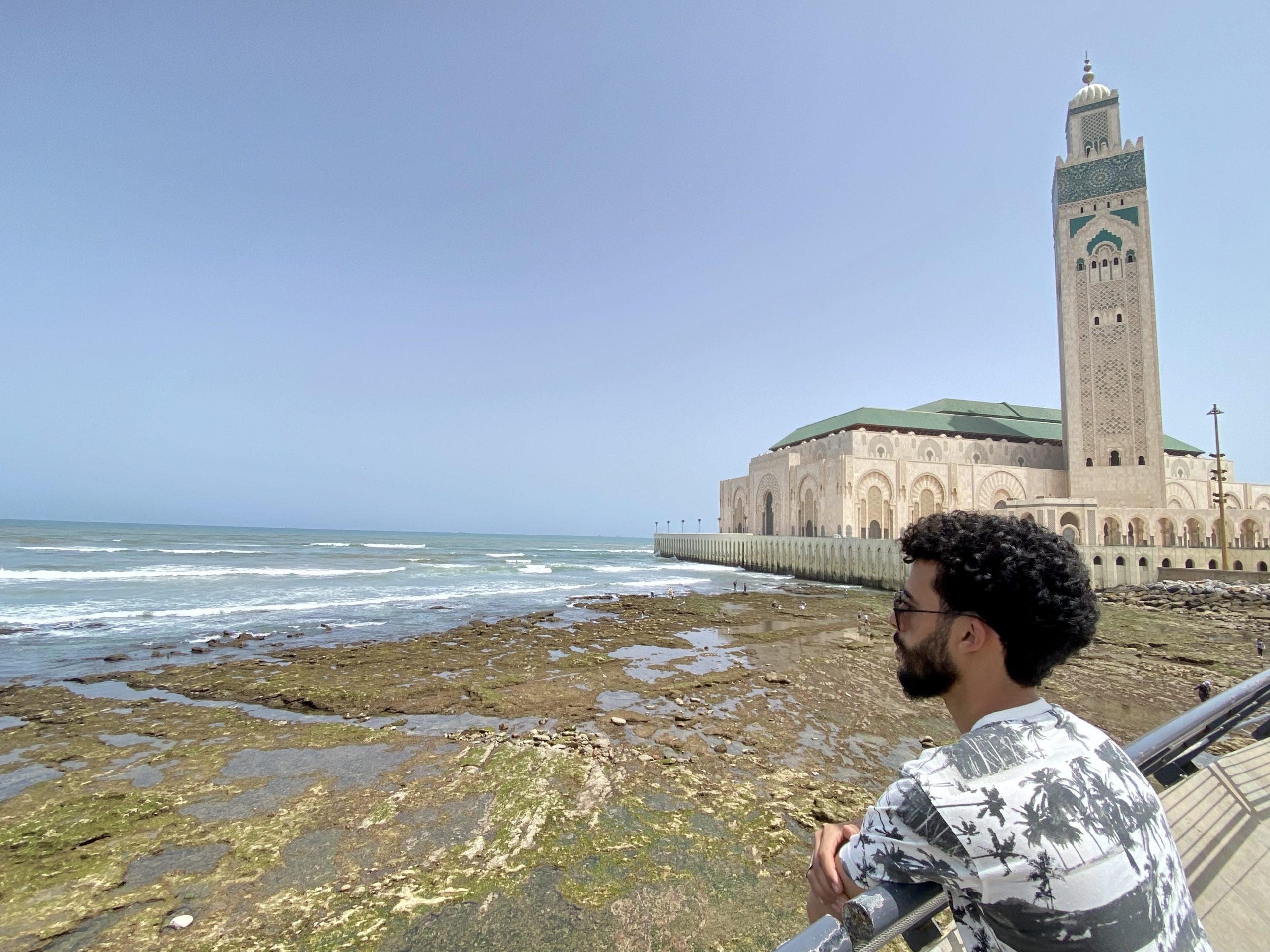
Is Casablanca Safe for Tourists?
Is Casablanca Safe for Tourists? In general, Casablanca can be a safe city to visit when travelers use normal precautions and stay aware of their surroundings. As Morocco largest city and an important business center, Casablanca is busy, modern, and much more urban than some of the country’s smaller tourist destinations. The main concerns for visitors are usually petty theft, scams, traffic, transportation issues, and walking alone in quiet areas at night rather than serious crime.
Casablanca is also an important starting point for trips around Morocco. Many international travelers arrive at Mohammed V International Airport before continuing to Rabat, Chefchaouen, Fes, Marrakech, or the Sahara Desert. With some basic preparation, you can enjoy Casablanca main attractions, including the Hassan II Mosque, the Corniche, the Habous Quarter, and the city center, while feeling comfortable during your stay.
At Best Morocco Travel, we have more than 25 years of experience arranging private trips in Morocco. We regularly help travelers explore Casablanca and continue to other parts of the country with private transportation and local assistance. This guide explains what visitors should know about Casablanca travel safety before and during their trip.
Is Casablanca Safe to Visit?
For most tourists, Casablanca is safe to visit, but it is important to remember that this is a large city rather than a small resort destination. Like other major cities around the world, Casablanca has areas that are busier and more comfortable for visitors and others where travelers should be more cautious, particularly after dark.
The most common issue travelers need to consider is petty crime. Pickpocketing can happen in crowded markets, tourist areas, stations, and public transportation. Bag snatching and theft from vehicles are also possible. The U.S. Department of State currently advises travelers to Morocco to exercise increased caution and specifically warns that petty crime is common in major cities and tourist areas.
This does not mean that tourists should avoid Casablanca. Instead, use the same practical habits you would use when visiting a large city in the United States or elsewhere: keep your valuables secure, pay attention in crowded places, avoid isolated areas at night, and use appropriate transportation.
Is Casablanca Safe at Night?
One of the most common questions travelers ask is “Is Casablanca safe at night?” The answer depends on where you are and how you travel. Busy areas with restaurants, hotels, cafés, and regular pedestrian activity can remain active in the evening, but quiet streets and isolated areas are best avoided after dark.
The U.S. Department of State recommends avoiding walking alone at night, particularly in unfamiliar neighborhoods or poorly lit areas. It also advises travelers to avoid isolated beaches, parks, and other quiet areas after dark.
If you plan to go out in the evening, stay in areas where other people are around and arrange your transportation in advance when possible. If you are unfamiliar with Casablanca, taking a taxi back to your hotel is generally more practical than walking a long distance through quiet streets late at night.
The key is not to be afraid of the city after dark, but to use good judgment. Casablanca is active in the evening, yet conditions can change quickly when you leave busy streets and enter quieter areas.
Is Casablanca Safe for Americans?
Is Casablanca safe for Americans? American travelers visit Casablanca regularly, but they should follow the same safety precautions recommended for other international visitors.
The current U.S. Department of State Travel Advisory for Morocco is Level 2: Exercise Increased Caution, issued September 4, 2026. The advisory identifies terrorism as the reason for the current level and also provides guidance concerning petty crime, demonstrations, transportation, and nighttime safety.
Before traveling, American visitors should check the latest U.S. Department of State information because travel advice can change. The State Department also recommends that U.S. citizens consider enrolling in the Smart Traveler Enrollment Program (STEP) so they can receive security updates during their trip.
For travelers who prefer not to manage transportation themselves, a private Morocco tour can make moving between cities easier. Best Morocco Travel arranges private, air-conditioned vehicles with English-speaking driver-guides, along with local guides when needed for specific cities and attractions.
Is Casablanca Safe for Solo Travelers?
Casablanca is possible to visit as a solo traveler, but traveling alone means you should be more careful about your surroundings, especially after dark. Keep your accommodation details private, secure your passport and money, and avoid accepting unsolicited offers from strangers who want to guide you somewhere or provide a service.
During the day, most visitors can explore the main areas of the city with normal precautions. In the evening, it is better to remain in populated areas and use reliable transportation rather than walking alone through unfamiliar neighborhoods. The U.S. Department of State recommends avoiding traveling alone, particularly at night and when moving through unfamiliar areas.
If you are planning to travel around Morocco alone, a private tour can also be useful because you have a dedicated driver-guide for transportation between destinations while keeping your itinerary private and flexible.
Is Casablanca Safe for Female Travelers?
Is Casablanca safe for female travelers? Many women visit Casablanca successfully, but female travelers may experience unwanted attention or verbal harassment, particularly when walking alone.
Practical precautions can make the experience easier:
- Dress respectfully, particularly around religious and traditional areas.
- Avoid walking alone in quiet areas late at night.
- Choose reputable hotels or riads.
- Keep valuables secure.
- Use appropriate transportation after dark.
- Be confident and firm when declining unwanted attention.
- Stay aware of your surroundings in crowded areas.
It is important not to assume that every interaction is dangerous. Most people you meet during a trip will simply be going about their daily lives. The goal is to remain aware without letting safety concerns prevent you from enjoying the city.
Casablanca Crime: What Are the Main Risks?
When travelers search for Casablanca crime or Casablanca safety, it is important to understand the difference between petty crime and more serious incidents.
Petty theft is one of the main concerns for tourists. Pickpocketing can occur in crowded tourist areas, markets, stations, and public transportation. Bag snatching and theft from vehicles can also happen, so travelers should avoid leaving valuables visible inside a parked car.
More serious violent crime against tourists is less common than petty theft, but it can occur. The U.S. Department of State notes that muggings and assaults are possible, particularly in remote areas or at night.
For visitors, the most useful approach is simple: stay aware, protect your belongings, avoid isolated areas after dark, and do not allow safety concerns to distract you from enjoying your trip.
Common Scams in Casablanca
Knowing about Casablanca scams before arriving can help you avoid unnecessary problems. Most tourist scams are based on overcharging, unsolicited assistance, or unclear prices rather than complicated schemes.
One common situation involves unofficial people offering to act as tourist guides. If you want a guide in a historic area, use an authorized local guide rather than accepting an unsolicited offer from someone who approaches you in the street.
Travelers should also confirm prices before accepting services. This is particularly useful with taxis, shops, and other services where the final price may not be obvious.
The UK government advises travelers to be cautious about scams, credit card fraud, unofficial tourist guides, pickpocketing, and bag snatching. It recommends checking that guides working in historic districts have an official badge and authorization. A polite but firm “No, thank you” is usually all you need when you do not want a service or assistance.
Is the Casablanca Medina Safe?
The Casablanca Medina is a historic part of the city and can be interesting to explore, particularly during the day. As with other busy historic districts in Morocco, however, you should pay attention to your belongings.
Crowded streets can create opportunities for pickpockets, so keep your bag closed and close to your body. Avoid keeping your phone or wallet in an easily accessible pocket, and do not leave valuables unattended in cafés or restaurants.
You may also encounter people offering unsolicited guiding services. If you want to explore the medina with a guide, choose an authorized local guide instead of accepting an offer from someone who approaches you unexpectedly. The medina is not somewhere you need to fear, but normal city awareness is important.
Where Should Tourists Stay in Casablanca?
When choosing where to stay in Casablanca, consider the location of your hotel as well as your plans for the city. Areas with established hotels, restaurants, cafés, and regular activity can be more convenient for first-time visitors.
Popular areas used by visitors include the city center, Maarif, Gauthier, Anfa, and Ain Diab. The Corniche and other coastal areas are also popular for restaurants, cafés, and hotels.
However, it is better not to think of any neighborhood as permanently “safe” or “unsafe.” Conditions can vary by street, time of day, and how familiar you are with the area. If you plan to return to your hotel late at night, ask your accommodation about the best transportation option rather than walking through an unfamiliar area.
Casablanca Taxi and Transportation Safety
Transportation is an important part of Casablanca travel safety. The city’s red petit taxis are commonly used for short journeys within Casablanca. The U.S. Department of State advises travelers to ask taxi drivers to use the meter.
Travelers should also be aware that Morocco transportation environment is different from what many American visitors are used to. Traffic can be busy, and pedestrians need to pay close attention when crossing roads.
Trains are generally considered safe, although theft can occur. The current U.S. travel advisory states that city buses in Morocco are not considered safe and advises travelers to use caution with rideshare services because of reported conflicts involving some taxi drivers and rideshare drivers.
For travelers arriving at Casablanca airport or continuing to another Moroccan city with luggage, private transportation can be more convenient. Best Morocco Travel arranges private air-conditioned vehicles with English-speaking driver-guides for trips around Morocco.
- If you are planning to travel beyond Casablanca, you can explore our Morocco tours from Casablanca for private itineraries connecting Casablanca with other destinations.
Casablanca Safety Tips for Tourists
A few simple habits can make your visit much easier. You do not need to change the way you travel completely, just pay attention to the situations where tourists are most likely to encounter problems.
- Keep your valuables secure. Do not carry large amounts of cash, and avoid keeping your phone, passport, or wallet in an exposed pocket. Keep your bag closed and within your control, particularly in busy public places.
- Be more careful in crowded areas. Markets, stations, busy streets, and public transportation can attract pickpockets. Keep your belongings close to you and avoid placing your phone or wallet somewhere easily accessible.
- Avoid isolated areas at night. Quiet streets, isolated beaches, parks, and poorly lit areas are best avoided after dark.
- Be careful with taxis. If you use a petit taxi, ask the driver to use the meter. If you arrange another type of transportation, make sure you understand the price before starting the journey.
- Use authorized guides. If you want a guided visit of the medina or another historic site, choose an authorized guide rather than accepting an unsolicited offer.
- Watch the traffic. Casablanca is a busy city, and traffic can be one of the biggest practical challenges for visitors. Look carefully before crossing roads and avoid assuming that vehicles will stop automatically.
- Keep copies of important documents. Keep your passport and important travel information secure, and consider having a digital copy available in case your original documents are lost.
Is Casablanca Safe for Families?
Families can visit Casablanca comfortably with sensible planning. The main considerations for parents are traffic, crowded areas, transportation, and keeping children close in busy places.
When exploring the city, allow extra time when crossing busy streets and keep an eye on children around traffic and crowded markets. Choosing a convenient hotel can also make your stay easier, particularly if you are traveling with young children.
Private transportation can be especially practical for families arriving with luggage or continuing from Casablanca to another destination. Instead of changing between different forms of transportation, you can travel directly with your own vehicle and driver.
Best Morocco Travel arranges private Morocco trips for families, friends, students, and other private groups, with the itinerary adapted to the group’s schedule and interests.
What Should You Know Before Visiting Casablanca?
Casablanca is a large Moroccan city, so it helps to arrive with realistic expectations. It is a major business and transportation center rather than a small traditional tourist town. The city can feel busy, especially around traffic, markets, stations, and central streets.
At the same time, visitors have plenty of opportunities to experience a different side of Casablanca. You can visit the Hassan II Mosque, walk along the Corniche, explore the Habous Quarter, see the city’s Art Deco architecture, and enjoy local restaurants and cafés.
If Casablanca is the beginning of a longer Morocco itinerary, planning your transportation in advance can make the trip easier. Many travelers combine Casablanca with Rabat, Chefchaouen, Fes, Marrakech, and the Sahara Desert.
- You can explore our Private Morocco Trips if you want to combine Casablanca with other destinations in a private itinerary.
Emergency Numbers in Casablanca
Save emergency numbers before your trip.
According to the official Visit Casablanca tourism information, the emergency numbers include:
- Police: 19 from a landline, 190 from a mobile
- Mobile emergency number: 112
- Ambulance / Firefighters: 15 from a landline, 150 from a mobile
- Royal Gendarmerie: 177
The U.S. Department of State also lists 190 for police, 150 for ambulance, and 177 for the Royal Gendarmerie.
If you are an American citizen and need consular assistance, keep the contact information for the U.S. Consulate General in Casablanca available as part of your travel preparation.
Is Casablanca Worth Visiting?
Whether Casablanca is worth visiting depends on what you want from your Morocco trip. Travelers looking for a large modern city will find a different experience here than in Marrakech, Fes, or Chefchaouen.
The Hassan II Mosque is one of the city’s main attractions, while the Corniche, Habous Quarter, central neighborhoods, and Art Deco architecture offer other ways to experience Casablanca.
For some travelers, Casablanca is mainly an arrival or departure point. For others, spending one or two days in the city provides a useful introduction to modern Morocco before continuing to the country’s historic cities and desert regions. If you are arriving at Mohammed V International Airport, Casablanca can also be a practical starting point for a private Morocco itinerary.
Conclusion
So, is Casablanca safe for tourists? For most visitors, Casablanca is a manageable destination when you use normal big-city precautions. The main things to be aware of are petty theft, scams, transportation, traffic, and isolated areas after dark.
The current U.S. Department of State advisory recommends that travelers exercise increased caution in Morocco, with terrorism listed as the reason for the current advisory level. The same guidance also highlights petty crime, nighttime risks, demonstrations, and transportation concerns.
The best approach is to stay informed without becoming overly worried. Keep your belongings secure, use appropriate transportation, avoid isolated areas at night, respect local laws and customs, and check official travel advice before your trip.
With more than 25 years of experience arranging private Morocco trips, Best Morocco Travel can help travelers organize transportation, accommodations, local guides, and private itineraries throughout Morocco. If your journey starts in Casablanca, you can explore our Morocco tours to plan the rest of your journey.