What Currency Is Used in Morocco?
If you’re wondering what currency is used in Morocco, the answer is the Moroccan Dirham (MAD), the country’s official currency and the only one accepted for everyday purchases. Whether you’re paying for a coffee in a Marrakech souk or booking a private desert tour, understanding how the dirham works, where to get it, and how to manage it will save you time, money, and confusion once you land. This guide covers everything from exchange rates to Morocco currency rules, based on current travel conditions.
The Official Currency in Morocco: Moroccan Dirham (MAD)
The Moroccan Dirham is issued by Morocco central bank, Bank Al-Maghrib, and is represented by the currency code MAD or the local symbol. You’ll also see it written as DH or Dhs on menus and price tags.
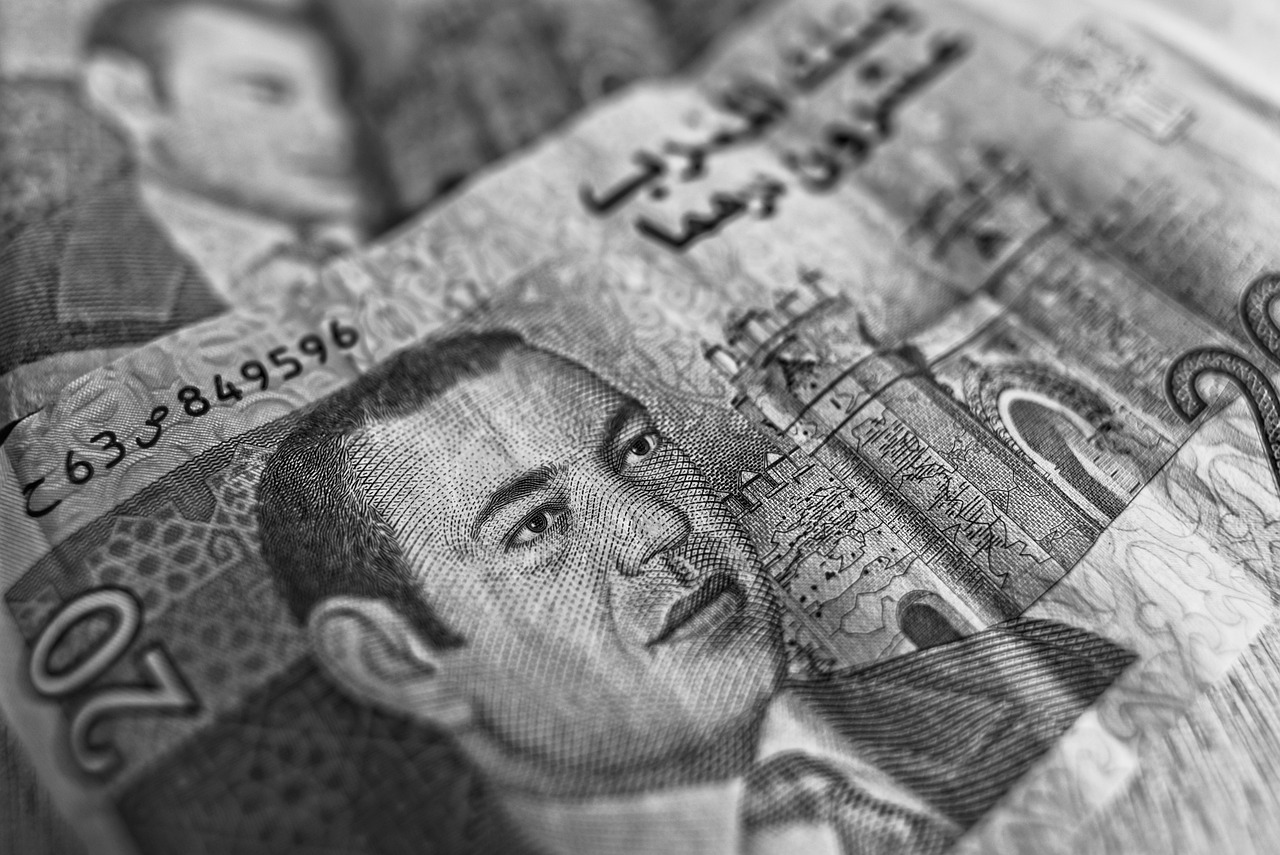
Banknotes come in denominations of 20, 50, 100, and 200 dirhams.
Coins are issued in 1, 5, and 10 dirhams, along with smaller centime coins (1, 5, 10, 20, and 50 centimes; 100 centimes equal 1 dirham).
Keep a mix of small and large bills on hand. Vendors in markets, taxis, and small cafés often can’t break a 200 MAD note, so 20 and 50 MAD bills are the most useful denominations for daily spending.
Cash or Card in Morocco? How Travelers Use Local Currency
This is one of the most common questions travelers ask before arriving, and the honest answer is: both, depending on where you are.
- Cards work well in: hotels, riads, larger restaurants, malls, and shops in major cities like Marrakech, Casablanca, Fes, and Tangier. Visa and Mastercard are widely accepted; American Express less so.
- Cash is essential for: souks and local markets, small cafés and street food stalls, taxis, tips, entrance fees at smaller sites, and rural areas or day trips outside the main cities.
If a card terminal asks whether you’d like to pay in your home currency instead of dirhams, always choose MAD. Paying in your own currency triggers a process called dynamic currency conversion, which almost always gives you a worse exchange rate than letting your own bank handle the conversion.
Where to Exchange Currency in Morocco
You have three main options for getting dirhams once you arrive:
Banks offer secure, regulated exchange services in most cities, though hours can be limited and some require your passport.
Bureaux de change are exchange offices found at airports, in city centers, and near major tourist areas. They’re fast and convenient, though rates can vary, so it’s worth comparing a couple of offices before changing a large amount.
ATMs are the easiest option for most travelers. They’re widely available in cities and let you withdraw dirhams directly with a debit or credit card, usually at a competitive rate. Let your bank know your travel dates in advance so a Morocco transaction doesn’t trigger a fraud block, and check what your bank charges for international withdrawals.
Because the dirham is a closed currency (more on that below), you generally can’t buy MAD from your bank at home before you travel. Plan to exchange money or withdraw cash after you land, whether that’s at the airport, in your first city, or through your hotel.
Dirham to USD and Euro Exchange Rate
As a general reference point, 1 US dollar typically converts to somewhere in the range of 9 to 10 dirhams, and 1 euro typically converts to somewhere in the range of 10 to 11 dirhams. Exchange rates move daily, so these figures are meant as a rough planning guide rather than the exact rate you’ll get. Before you travel, check xe.com currency converter for the current number, and keep in mind that banks, ATMs, and exchange offices each add their own small margin or fee on top of the market rate.
Currency Rules: Bringing Dirhams In and Out of Morocco
The Moroccan Dirham is a closed currency, which means it isn’t traded on international markets and can only be obtained inside Morocco. A few practical rules follow from this:
- You cannot exchange dirhams at most banks or currency desks outside Morocco before your trip.
- Travelers are permitted to bring in or take out a maximum of 2,000 MAD in cash per person. Carrying more than this can result in the excess being confiscated at customs.
- Spend or exchange your leftover dirhams before you leave the country. Once you’re home, dirhams are difficult and often expensive to convert back.
If you’re only bringing home a few coins and small bills as a souvenir, that’s not a problem. Just don’t plan on exchanging a large leftover amount once you’ve left Morocco.
How Much Cash Should You Bring?
There’s no single right answer, since it depends on your travel style, but a useful rule of thumb is to carry enough small cash for two to three days at a time, then top up from an ATM. Budget travelers typically get by on less cash day-to-day since more of their spending goes on cards, while travelers who plan to shop in the souks, tip guides and drivers, or take day trips into rural areas should carry more. If you’re mapping out a full budget for your trip, our one-week Morocco itinerary guide breaks down typical costs by travel style.
Money Tips for Your Trip
- Break large bills early. Use a 200 MAD note at a bank, hotel, or larger store rather than trying to pay a taxi driver or market stall with it.
- Bargain where it’s expected. Negotiating is a normal part of shopping in Morocco souks and markets, though it’s not appropriate in fixed-price shops, restaurants, or supermarkets.
- Budget for tipping. Tipping is customary for guides, drivers, and hotel staff. Our full tipping in Morocco guide covers standard amounts for different services.
- Keep exchange receipts. If you exchange a large sum, hold onto the receipt in case you need to convert dirhams back before departure.
Planning Your Morocco Trip
Managing money in Morocco is straightforward once you know the basics: get dirhams after you land, carry a mix of small bills and a card, and budget a little extra for tipping and bargaining. With 25 years of experience running private, driver-led tours from Marrakech, Casablanca, Fes, and Tangier, our team can walk you through practical details like this as part of planning your trip. Contact us to start building a private Morocco itinerary suited to your budget and travel style.
FAQ’s: What Currency Is Used in Morocco?
Can I use US dollars or euros in Morocco?
A small number of tourist shops, guides, or hotels may informally accept euros or dollars, but the dirham is required for the vast majority of transactions. Plan to use MAD for anything outside of your hotel bill.
What is the Moroccan Dirhams currency symbol?
The dirham is written as MAD (its international currency code) or د.م. in Arabic script. You may also see DH or Dhs used on menus and receipts.
Is the Moroccan Dirham a closed currency?
Yes. The dirham can’t be bought or sold outside Morocco, and travelers are limited to bringing in or taking out no more than 2,000 MAD in cash.
Can I use my debit or credit card everywhere in Morocco?
Cards are widely accepted in hotels, larger restaurants, and shops in major cities, but you’ll need cash for souks, small cafés, taxis, and rural areas.
Do I need to exchange money before I arrive in Morocco?
No, and in most cases you can’t. Because the dirham is a closed currency, the best approach is to exchange cash or withdraw dirhams from an ATM once you land.
Is tipping expected in Morocco?
Yes. Tipping is a normal part of Moroccan hospitality for guides, drivers, and hotel staff. See our tipping in Morocco guide for typical amounts.