What to Wear in Morocco in March
Figuring out what to wear in Morocco in March comes down to one word, layers. This is one of the most comfortable months to visit, with warm, sunny afternoons in most cities and a noticeable chill once the sun goes down. Whether you’re wandering the souks of Marrakech, riding a camel into the Sahara, or joining a private tour through the Atlas Mountains, packing for the shift between spring sunshine and cool evenings will make your trip far more enjoyable.
This guide breaks down the weather region by region and gives you a complete, practical packing list, along with the modest dress code that helps you travel comfortably and respectfully. It’s reviewed regularly against current seasonal weather data and real feedback from our guests, so you’re getting practical advice rather than generic packing tips.
Morocco Weather in March: What to Expect
March marks the true start of spring in Morocco, but the country’s varied geography means the weather can look quite different depending on where you’re headed.
- Marrakech and the interior: Daytime highs typically reach the low-to-mid 70s°F (22-24°C), with clear skies and plenty of sunshine. Nights are noticeably cooler, often dropping into the low 50s°F (around 10-11°C), so an evening layer is essential even after a warm day of sightseeing.
- Fes and Meknes: Slightly cooler than Marrakech, with days around 68-70°F (20-21°C) and a higher chance of a brief morning shower early in the month.
- Casablanca and the Atlantic coast: Coastal breezes keep things milder, with highs around 64-68°F (18-20°C). Pack a windbreaker if you’re spending time near the water.
- Chefchaouen and the Rif Mountains: The north sees the most rain of the year in March, along with cooler days near 64°F (18°C) and chilly nights. A light rain jacket is worth the suitcase space here.
- The Sahara Desert (Merzouga, Zagora): This is where the swing is most dramatic. Daytime temperatures can climb into the high 70s or even 80s°F (25–28°C), while desert nights can fall close to freezing. If a desert tour is part of your trip, plan your bag for two completely different climates in the same day.
Because of these swings, the single biggest packing mistake travelers make in March is bringing only warm-weather clothes and no evening layer, or the reverse. A flexible, layered wardrobe is the real key to comfort this month.
Morocco March Packing List
A practical packing list for Morocco in March covers cities, the mountains, and the desert alike. Pack lightweight cotton or linen tops and bottoms for daytime warmth, along with a couple of long-sleeved shirts for sun protection and modesty. Loose trousers, maxi skirts, or midi dresses move easily and suit the culture, while one warm layer, such as a fleece, cardigan, or packable jacket, covers the evening chill. Add a light rain jacket or windbreaker for the north, and a large scarf or shawl, which does double duty for modesty, sun, wind, and desert dust.
For footwear and extras, bring comfortable walking shoes with good grip for cobbled medina streets, sandals for warmer afternoons and evenings at your riad, sunglasses, a sun hat, SPF 30+ sunscreen, and a reusable water bottle, since tap water isn’t recommended for drinking.
What Women Should Wear in Morocco in March
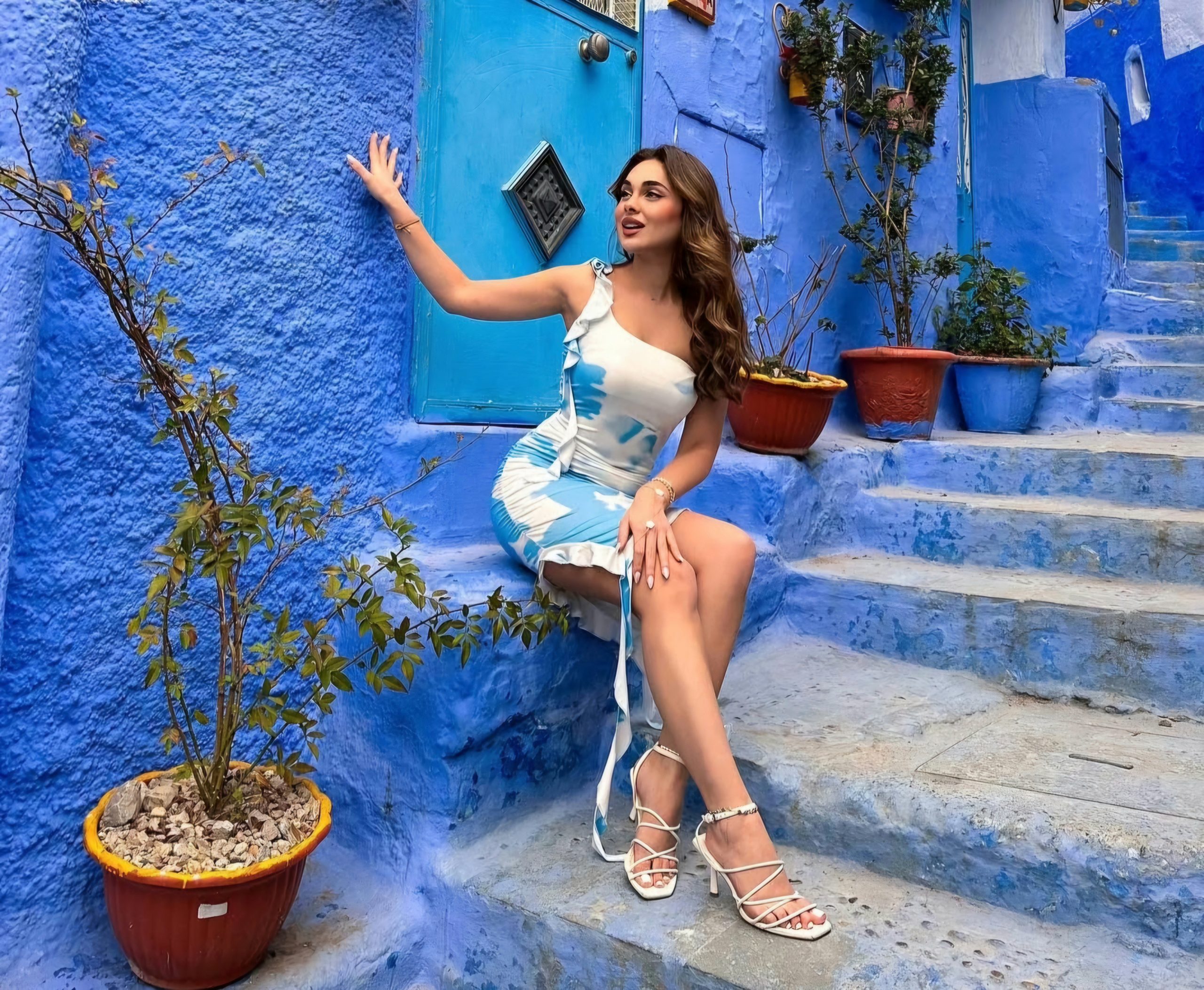
Morocco is more relaxed than many visitors expect, but a modest, comfortable wardrobe still goes furthest, especially outside the main tourist areas. Loose maxi dresses, wide-leg trousers, and midi skirts paired with breathable cotton tops work well for both temperature and culture. Covering the shoulders and keeping hemlines around knee-length or longer is appreciated in medinas, smaller towns, and anywhere near a mosque.
A lightweight scarf is one of the most useful things you can pack this month. Drape it over your shoulders in the evening chill, use it to cover your hair when visiting a religious site, or wrap it around your neck against the dusty desert wind. Leggings are fine under a longer top or dress, but it’s best to avoid wearing them alone as trousers in more conservative areas.
What Men Should Wear in Morocco in March
For men, comfortable trousers paired with short- or long-sleeved shirts are the easiest way to stay cool by day and presentable by evening. Shorts are acceptable in resort areas and along the coast, but long trousers are the better default in medinas, souks, and rural towns. A lightweight button-down or polo shirt suits most daytime activities, while a fleece or light jacket earns its place once the sun goes down. Tank tops are best kept for pool areas.
Morocco Dress Code for Tourists
Morocco is a Muslim-majority country, and while cities like Marrakech, Casablanca, and Rabat are used to international visitors, dressing modestly remains the most respectful and practical approach. This doesn’t mean covering up completely. It simply means favoring breathable, loose-fitting clothing that covers the shoulders and knees over anything tight or very revealing.
Swimwear is completely fine at hotel pools and beach resorts, but a cover-up is expected the moment you step off the beach. If your itinerary includes a mosque, a mausoleum, or a rural Berber village, having a scarf on hand to cover your shoulders or hair is a small gesture that’s always well received.
Packing for a Sahara Desert Trip in March
A Sahara stop means packing for two seasons in one day. Daytime calls for breathable layers, a wide-brimmed hat, sunglasses, and strong sun protection, while the temperature drop after sunset can be sharp enough for a warm jacket, a hat, and even a pair of thicker socks. Desert camps provide blankets, but bringing your own base layer of warmth means you’ll actually enjoy the campfire and stargazing rather than counting the minutes until bed.
A scarf again earns its keep here, shielding your face from blowing sand during the camel trek into the dunes, and closed, comfortable shoes are far more practical than sandals once you’re walking on sand. Our Morocco desert tours are built around exactly this kind of day-to-night temperature shift, with stops timed so you’re never stuck in the wrong outfit.
Footwear and Accessories to Pack
Morocco medinas are made up of cobblestone lanes, uneven steps, and long walking days, so comfortable, broken-in shoes matter more than style here. Closed walking shoes or trainers are the most versatile choice for cities, mountains, and the desert alike, while sandals suit warm afternoons and evenings at your riad. If a desert overnight is on your itinerary, a small daypack, a portable phone charger, and a headlamp are worth adding, since camps often have limited lighting after dark.
FAQ’s About What to Wear in Morocco in March
Do I need to cover my hair in Morocco?
No, covering your hair isn’t required for tourists, except when entering a mosque, where a scarf should be on hand out of respect.
Is it too cold to pack shorts and t-shirts for March?
Not at all for the daytime in Marrakech or the desert, but long trousers and a scarf are worth having handy for cooler mornings, evenings, and more conservative areas.
How cold does it actually get at night in March?
In cities like Marrakech and Fes, expect the low 50s°F (around 10°C). In the Sahara, temperatures can fall close to freezing, so a proper warm layer is essential for a desert night.
Can I wear leggings or jeans in Morocco?
Yes, both are common and practical, particularly under a longer top or tunic for extra modesty in smaller towns.
Final Packing Tips for Morocco in March
Packing the right clothes for March really comes down to flexibility: light, breathable pieces for the day, a warm layer for the evening, and a scarf that works for sun, modesty, and dust all at once. If you’d like local, hands-on advice tailored to your exact route, our Marrakech-based team plans private tours across Marrakech and Fes, including easy day trips from Marrakech into the Atlas Mountains.
Read more about who we are on our About Us page, browse more seasonal guides on our travel blog, or contact us and we’ll help you plan a trip suited to your dates, your interests, and exactly what to pack.