Best Things to Do in Essaouira
If you’re planning a trip to Morocco Atlantic coast, this guide covers the best things to do in Essaouira, from the UNESCO-listed medina and windswept ramparts to camel rides, seafood markets, and some of the best surfing in North Africa. Essaouira is one of the most relaxed and walkable cities in Morocco, and it rewards travelers who take their time rather than rushing through on a single afternoon.
As a Marrakech-based tour company, we run private day trips and multi-day itineraries to Essaouira every week, and this guide draws on that firsthand experience. Whether you’re coming for a quick day trip to Essaouira from Marrakech or staying a few nights, here’s everything worth doing, eating, and knowing before you go.
Quick Facts: Essaouira at a Glance
- Location: Atlantic coast of Morocco, about 175 km (110 miles) west of Marrakech.
- Travel time from Marrakech: 2.5-3 hours by road.
- Best for: Beaches, medina exploring, surfing/kitesurfing, seafood, art and music
- Recommended stay: 2-3 days (longer if combining with day trips).
- Best months to visit: March-May and September-November.
- UNESCO status: The Medina of Essaouira has been a World Heritage Site since 2001.
Explore the Historic Essaouira Medina
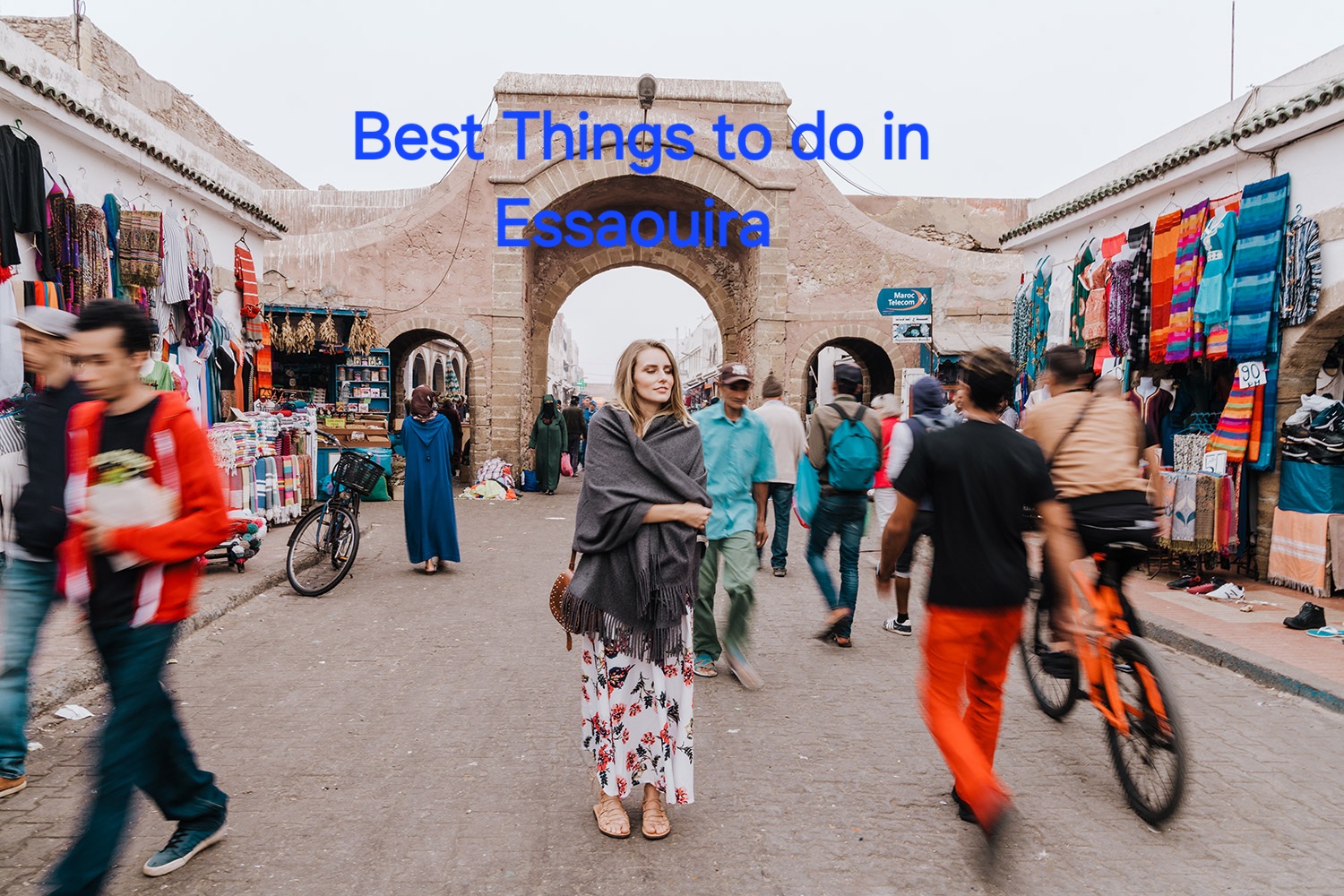
The Essaouira medina is the heart of the city and a UNESCO World Heritage Site in its own right. Unlike the dense, maze-like medinas of Fes or Marrakech, Essaouira old town is compact, breezy, and entirely car-free, which makes it one of the easiest places in Morocco to explore on foot. Whitewashed walls with blue-painted shutters line narrow alleys filled with woodworking shops, spice stalls, and small art galleries.
Mornings are the best time to visit, before the day-trip crowds arrive from Marrakech. You’ll find artisans carving thuya wood, a fragrant local hardwood found almost nowhere else in Morocco, into boxes, chess sets, and furniture. Set aside a few unhurried hours here rather than treating it as a quick photo stop.
Walk the Skala de la Ville Ramparts
The Skala de la Ville is Essaouira most photographed landmark: a row of 18th-century cannons lined along sea-facing ramparts, built to defend the port from naval attack. Walking the length of the wall gives you sweeping views over the Atlantic and the fishing harbor below, and it’s genuinely a striking spot at sunset.
Fans of Game of Thrones may recognize the ramparts as a filming location for the city of Astapor, which has added another layer of interest for visitors in recent years. Give yourself 30-45 minutes here, and try to time it for late afternoon when the light is best for photos.
Visit Skala du Port and Watch the Fishing Fleet
Just south of the ramparts, Skala du Port overlooks Essaouira working fishing harbor, where blue wooden boats come and go throughout the day. It’s one of the most authentic scenes in the city, fishermen sorting the morning catch, gulls circling overhead, and the smell of salt and diesel in the air. Old Portuguese cannons still line the bastion, and a short staircase leads up to panoramic views over both the harbor and the medina walls.
Taste Fresh Seafood at the Port Grills
Right beside the harbor, a row of open-air grills sells the day’s catch cooked to order, sardines, sea bream, prawns, and calamari, usually served with bread and a simple salad. This is one of the most talked-about experiences in Essaouira and shouldn’t be skipped. Prices are agreed before you order, so it’s worth confirming the cost upfront, and portions are generous enough to share.
Relax on Essaouira Beaches
Essaouira main beach runs for several kilometers along the edge of the city, with soft sand and steady Atlantic winds that make it feel very different from the calmer beaches of Agadir or Taghazout. It’s a popular spot for horseback and camel rides, casual football games, and long walks, especially outside the summer months when the wind can be strong for sunbathing.
For a quieter alternative, Sidi Kaouki, about 25 km south of the city, offers a wilder, less developed stretch of coastline that’s popular with surfers and travelers looking to escape the crowds for an afternoon.
Try Surfing, Windsurfing, and Kitesurfing
Essaouira sits in a natural wind corridor, and the Atlantic trade winds that blow consistently from spring through fall have made it one of Morocco top destinations for water sports. Several surf schools along the main beach offer lessons and equipment rental for all levels, from complete beginners to experienced kitesurfers chasing bigger swells further down the coast. Even if you don’t plan to get in the water, watching dozens of colorful kites and sails from the beach or ramparts is a highlight in itself.
Take a Camel or Horse Ride Along the Coast
Camel and horse rides are among the most popular things to do in Essaouira, and for good reason. Guided rides typically run along the beach at sunrise or sunset, when the light is softest and the heat has faded. Horse rides often extend further, through eucalyptus groves and coastal dunes toward Diabat, giving a broader sense of the landscape beyond the city itself. Both activities are suitable for most ages and fitness levels, and many guides work the same stretch of coast every day, so you’re in experienced hands.
Visit an Argan Oil Cooperative
Essaouira and the surrounding region are the heartland of Morocco argan oil industry, and a visit to a women-run argan cooperative is one of the most worthwhile stops near the city. You’ll see the entire process, from cracking argan nuts by hand to pressing the oil, and learn why this product is prized in both cooking and cosmetics. Buying directly from a cooperative also supports the local Berber women who run them, rather than middlemen, making it a meaningful addition to your trip rather than just another souvenir stop.
Shop for Local Crafts in the Souks
Beyond argan oil, the medina’s souks are known for handwoven carpets, leather goods, silver jewelry, and Essaouira signature thuya wood carvings, which are harder to find elsewhere in Morocco. Shopping here tends to feel more relaxed than in Marrakech or Fes, with less aggressive selling, though haggling is still expected and part of the experience. Start well below the asking price and negotiate with a smile, it’s a normal part of shopping in Morocco, not a confrontation.
Enjoy a Hands-On Moroccan Cooking Class
A cooking class is a great way to understand Moroccan food beyond the tourist-menu version of tagine and couscous. Most classes start with a visit to a local market to pick out fresh produce, spices, and meat, then move to a riad or family kitchen for hands-on instruction. By the end, you’ll sit down to eat what you cooked, usually with mint tea, and leave with recipes you can actually recreate at home.
Relax with a Traditional Moroccan Hammam
After a day of walking the medina and ramparts, a traditional hammam is one of the best ways to unwind. Expect a steam room, a full-body exfoliation with a rough mitt (locally called a kessa), and often a massage using black soap and argan oil. Both simple public hammams and more polished spa versions in riads are available, so this experience works whether you’re on a tight budget or looking for a bit of luxury.
Explore the Jewish Quarter (Mellah)
Essaouira Mellah reflects the city’s long history as a multicultural trading port, once home to a significant Jewish community that played a central role in its maritime commerce. The quieter streets here hold restored synagogues and historic homes, including the Synagogue of Rabbi Haim Pinto, which remains a pilgrimage site today. It’s a meaningful stop for anyone interested in Morocco layered religious and cultural history.
Visit the Sidi Mohammed Ben Abdallah Museum
Housed in a fine example of Andalusian-Moorish architecture inside the medina, this small museum covers Essaouira history through musical instruments, jewelry, textiles, and maritime artifacts. It’s a manageable, air-conditioned stop that adds useful context to everything else you’ll see around the city.
Watch the Sunset at Moulay Hassan Square
Moulay Hassan Square is Essaouira social hub, ringed with cafés and open to the harbor and ocean beyond. It’s the best place in the city to slow down with a mint tea or a Moroccan-style crepe and watch the daily rhythm of street musicians, artisans, and locals. As the sun drops over the Atlantic, the square and surrounding ramparts fill with people doing exactly the same thing, which makes for one of Essaouira most atmospheric moments.
Day Trip to Diabat and Dar Sultan Palace
A short trip south of the city brings you to Diabat, a small village once known as a 1960s hippie hangout, reportedly visited by Jimi Hendrix during his time in Morocco. Nearby, the half-buried ruins of Dar Sultan Palace rise dramatically out of the sand dunes, creating one of the more surreal photo opportunities in the region. It’s easily combined with a horse ride, camel trek, or quad biking tour through the surrounding dunes and forest trails.
Attend the Gnaoua World Music Festival
If your visit lines up with late June, don’t miss the Gnaoua World Music Festival, Essaouira largest cultural event and one of the most significant music festivals in North Africa. It celebrates Gnaoua music, a spiritual tradition rooted in West African, Berber, and Arabic influences, brought to Morocco generations ago. The festival draws hundreds of thousands of visitors for free outdoor concerts, and the whole city takes on a different energy for the weekend. If you’re not visiting in June, you can still hear Gnaoua musicians performing in cafés and small venues around the medina year-round.
Take a Day Trip from Essaouira
Essaouira location makes it a convenient base for exploring further afield. Popular half-day options include Sidi Kaouki beach, nearby argan cooperatives, and forest trails outside the city, while travelers based in Marrakech often visit Essaouira itself as part of a broader Morocco itinerary alongside destinations like Agafay Desert or the Ouzoud Waterfalls. If you’d rather not manage the logistics yourself, our team arranges private day trips and custom itineraries with a driver and guide who knows the region well.
Where to Stay in Essaouira
Most travelers choose to stay inside or just outside the medina walls, where traditional riads offer courtyard rooms, rooftop terraces, and easy walking access to everything on this list. Budget guesthouses are widely available and generally good value, while a handful of boutique riads and beachfront hotels cater to travelers wanting a more polished stay. Booking a room with sea or rampart views is worth the small premium if you can find one, particularly for sunset.
Best Restaurants in Essaouira
Seafood is the city’s culinary signature, and the grills at the port remain the most memorable place to eat it, simple, fresh, and inexpensive. In the medina, look for small restaurants serving tagines and grilled fish alongside Essaouira own take on Moroccan salads, and don’t skip a crepe or msemen at Moulay Hassan Square. Rooftop cafés near the ramparts are ideal for a slower lunch with an ocean view.
Best Time to Visit Essaouira
Spring (March-May) and fall (September-November) offer the most comfortable weather for exploring the medina and beaches, with mild temperatures and manageable winds. Summer brings stronger Atlantic winds, which is exactly what draws surfers and kitesurfers but can feel intense if you’re not there for water sports. Winter stays relatively mild thanks to the ocean’s moderating effect, though evenings can be cool, so pack a light layer even outside the colder months.
How Many Days Do You Need in Essaouira
Two to three days is enough to comfortably cover the medina, ramparts, beach time, and one or two activities like a cooking class or cooperative visit. If you want to add day trips to Sidi Kaouki, Diabat, or the surrounding countryside, four to five days gives you room to slow down without feeling rushed. A single day, most commonly a day trip from Marrakech, is enough to hit the highlights but will feel tight if you also want beach or shopping time.
How to Get to Essaouira
Essaouira has its own small airport (Essaouira-Mogador) with limited seasonal connections to Europe, but most travelers arrive by road from Marrakech, a 2.5–3 hour drive or bus ride. Supratours and CTM run direct coach services between the two cities, while private transfers offer more flexibility and often include a stop at an argan cooperative along the way. If you’re combining Essaouira with other destinations, our private Morocco tours can build it into a wider itinerary with a dedicated driver.
Essaouira Travel Tips
- Safety: Essaouira is widely considered one of Morocco safest cities, with a relaxed, tourist-friendly atmosphere.
- Tipping: Not mandatory, but 10% in restaurants and small tips for guides and drivers are appreciated.
- Water: Stick to bottled water, which is inexpensive and available everywhere.
- Dress: Light, breathable clothing works well for the coastal climate, modest dress is appreciated at religious sites.
- Language: Moroccan Arabic and Berber are spoken locally, with French widely used in tourism and English increasingly common.
FAQ’s About Visiting Essaouira
What is Essaouira known for?
Essaouira is best known for its UNESCO-listed medina, its historic ramparts, strong Atlantic winds that make it a top surfing and kitesurfing destination, and the Gnaoua World Music Festival held every June.
Is Essaouira worth visiting?
Yes, for its relaxed pace, walkable medina, beaches, and food. See our full breakdown on why Essaouira is worth visiting for more detail.
How many days should you spend in Essaouira?
Two to three days covers the main sights comfortably, while four or more allows time for day trips to Sidi Kaouki, Diabat, and nearby cooperatives.
Is Essaouira safe for tourists?
Yes, Essaouira is considered one of the safer cities in Morocco for tourists, with normal travel precautions being sufficient.
When is the best time to visit Essaouira?
Spring (March-May) and fall (September-November) offer the mildest weather, while summer is best for wind sports and winter stays comfortably mild.
How far is Essaouira from Marrakech?
Essaouira is roughly 175 km (110 miles) from Marrakech, a drive of about 2.5 to 3 hours by car, bus, or private transfer.
What language do they speak in Essaouira?
Moroccan Arabic and Berber are the main local languages, with French common in tourism and English increasingly spoken, more on the languages of Morocco here.
Is haggling expected in the souks?
Yes, haggling is normal and expected for crafts and souvenirs; starting below the asking price and negotiating politely is part of the shopping culture in Morocco.
Is the tap water in Essaouira safe to drink?
Bottled water is recommended over tap water; see our full guide on drinking tap water in Morocco for details.
Can I drink alcohol in Essaouira?
Yes, alcohol is served in hotels, bars, and tourist-oriented restaurants, though public drinking is discouraged during Ramadan.
Planning your own trip? As a locally owned, Marrakech-based team, we run private, guided visits to Essaouira with flexible timing and a driver who knows the region firsthand. Get in touch and we’ll help you build the right itinerary around it.